When we add plants to a room it is one of the fastest ways we can make it feel all fresh and cozy. But for many of us, the dream of a “home jungle” sadly ends with dead leaves and empty pots. This brings us to a big question: Are fake plants tacky?
For a long time, fake plants were seen as cheap and ugly. Think of those dusty, bright green plastic bushes in an old doctor’s office. But things have changed. And in today’s guide, we look at modern fake plants. You will learn how to choose the best ones and the materials to look for. We will also share some simple styling secrets that can make them look like the real deal.
Are Fake Plants Tacky in 2026?
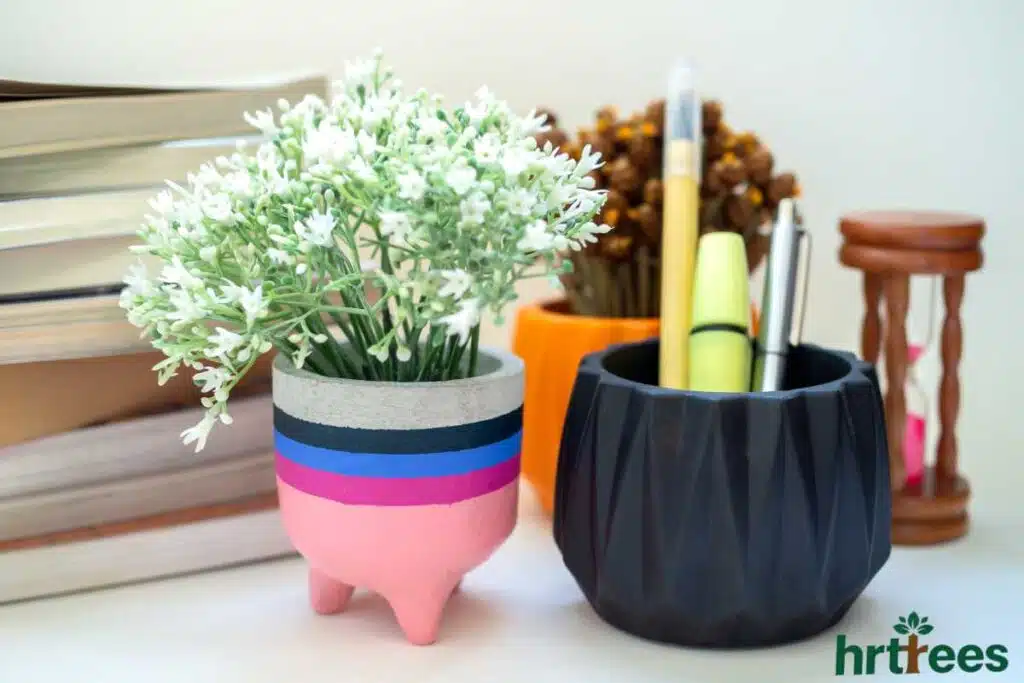
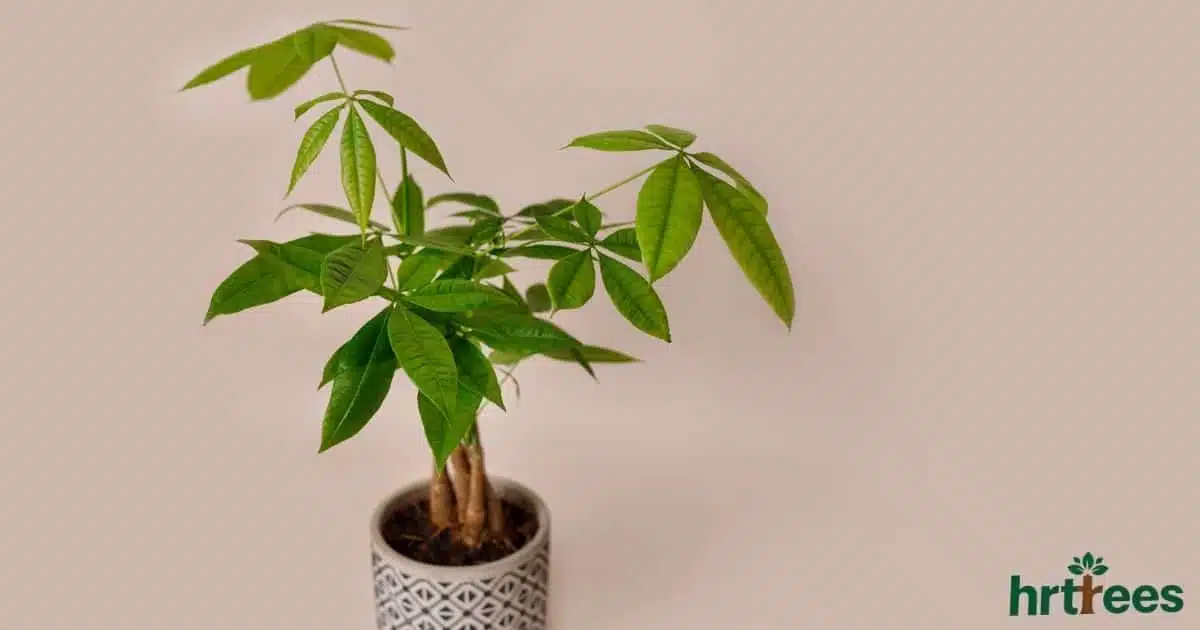
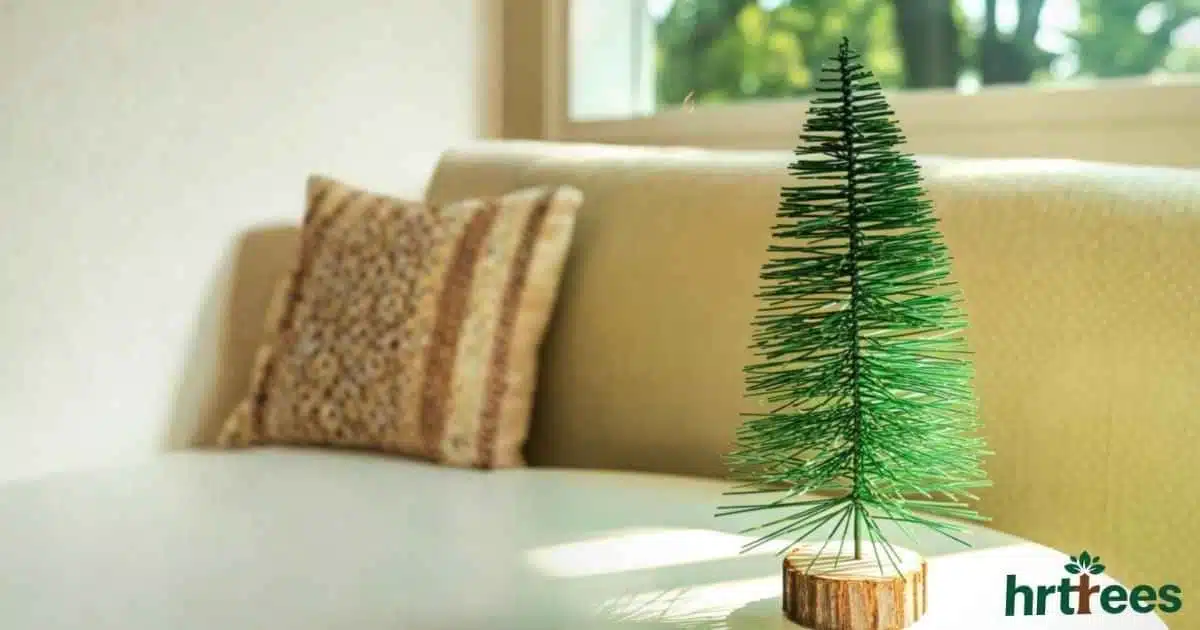
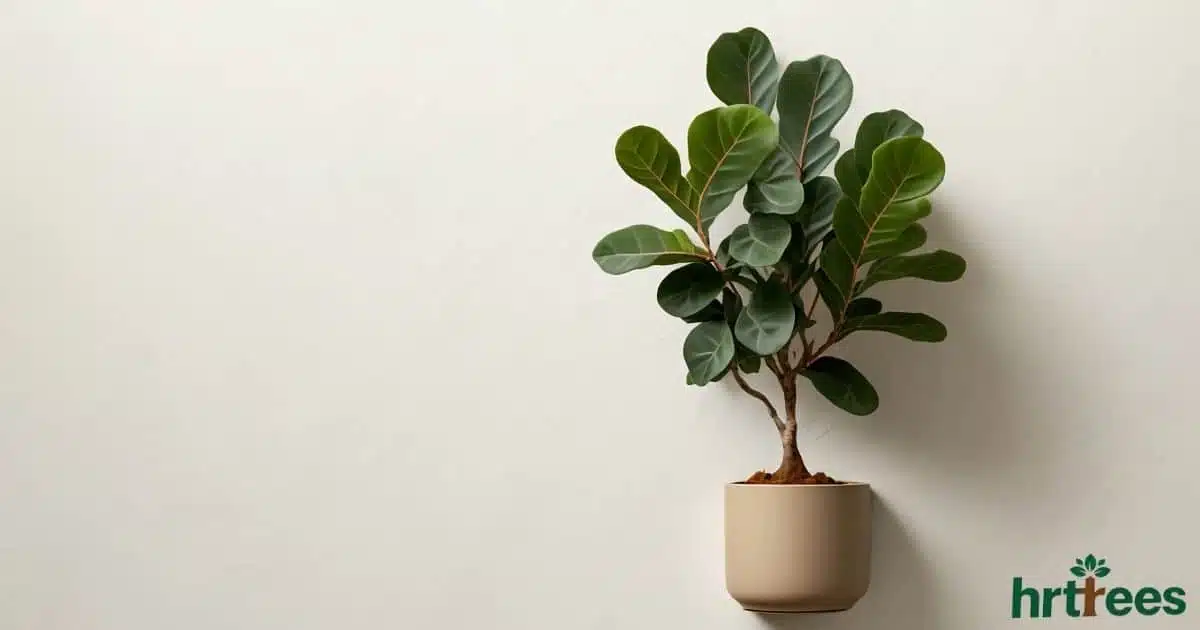
No, fake plants aren’t tacky anymore. They only look bad if they’re made poorly or when you style them the wrong way. Today’s best fake plants are “botanical” replicas. They look and feel just like the real thing. This is really a big upgrade from the cheap silk ones that people used to buy.
If you want to avoid that tacky look, you just need to focus on three things.
- Make sure the material feels real.
- Pick colors that look natural.
- Putting the plant in a spot where a living one could actually survive.
What Are Modern Fake Plants? And Why Quality Is Everything
To see why fake plants are popular again, you have to look at how they are made now. These aren’t the thin, papery “silk” plants from years ago. Modern fake plants are designed to be an exact copy of a living plant. It’s almost like a 3D clone.
The biggest difference is the “Real-Touch” technology. Instead of just cutting shapes out of cheap fabric, artificial plants manufacturers now use molds of actual leaves to create realistic versions. These leaves have the right thickness and even feel a little bit waxy, just like a real plant.
Choosing a high-quality material is the most important part. It is because it reacts to light naturally. And when it is made of high-quality materials it won’t have that harsh, “oily” plastic shine that makes a plant look fake from across the room.
5 Mistakes That Make a Fake Plant Look Tacky
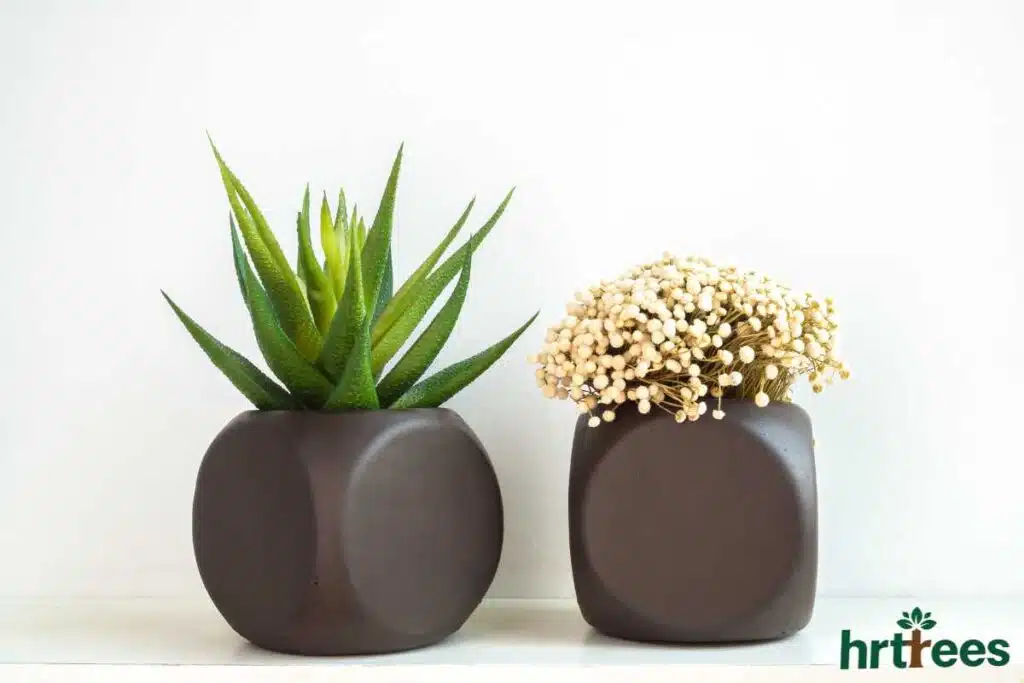
Ever spot a fake plant from across the room and just know it’s plastic? That happens when a plant looks a bit too perfect. When you buy a fake plant it is an investment in your home’s vibe. If you want to make sure your space looks high-end, you need to avoid these common “tacky” traps when you are shopping:
- “Neon” Greens: If the color looks like a highlighter, leave it. Real leaves are muted shades like olive or forest green. You need to look for plants with different tones rather than one solid, bright color.
- Perfect Symmetry: Nature is messy. If every leaf is perfectly straight and spaced exactly the same, it looks like it’s factory-made. So, make sure to look for irregular shapes.
- Plastic Shine & Seams: Avoid an oily, greasy shine. Real plants usually have a soft, matte finish. Also, check the stems for jagged “mold lines”. These are usually a dead giveaway.
- “Fuzzy” Plastic Moss: Most artificial plants come with bright green, fake-looking fuzz at its base. You’ll want to replace this with real dried moss or stones later.
- The Wrong Scale: When you put a tiny plant on your massive dining table, it will just look like a prop. So, don’t be afraid to go big. The larger plants usually have much more realistic detail.
How to Style Your Fake Plant So It Actually Looks Real?
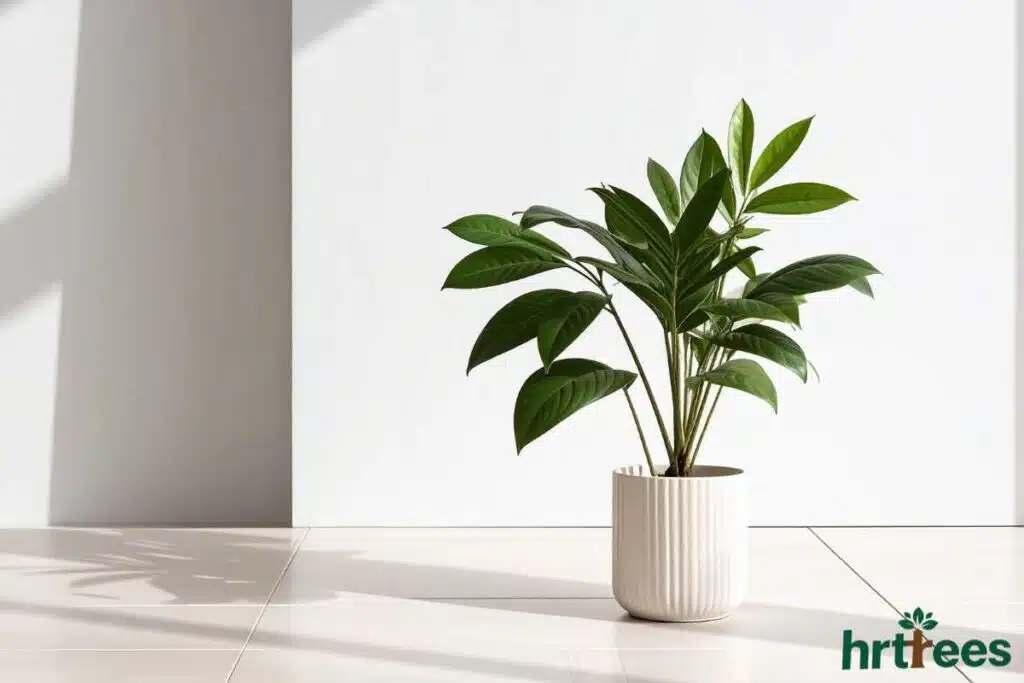
Once you have your fake plant, don’t just leave it how you got it in the shipping box. Follow these steps to bring it to life:
Step 1: Shape the stems. Real plants grow toward the sun. So don’t leave the stems straight. Give them a gentle bend and point the top leaves toward your windows.
Step 2: Upgrade the base. Put that tiny plastic pot into a larger ceramic planter. Fill the top with real dirt, moss, or stones. If people see real soil at the bottom, they’ll assume the whole plant is real.
Step 3: Follow the light. Place your plant near a window. A fake plant in a dark corner looks like a prop. But natural sunlight makes the leaves look alive.
Step 4: Mix in a real one. For example, put your artificial olive tree next to a small, real plant. Like a tiny succulent. Since people can see the little one is actually growing, they’ll just assume the big one is real, too.
Step 5: Keep it clean. Nothing says “fake” like a thick layer of dust. Real plants get rained on or wiped down. Give your artificial olive tree’s leaves a quick wipe down or dust once a month. This will keep it fresh and healthy looking.
How to Make Sure Your Greenery Never Looks Tacky?
The real answer to, “are fake plants tacky?” is all in the details. When you choose “Real-Touch” materials, avoid the plastic oily shine, and place your greenery in natural light, you can create a beautiful home that stays green forever.
To find your next statement piece, check out the realistic collection at HRtrees. They provide high-quality artificial plants and trees that will help you create a stunning, stress-free home.
With a little care and the right touch, your space will look so good, your guests will be leafing in disbelief.