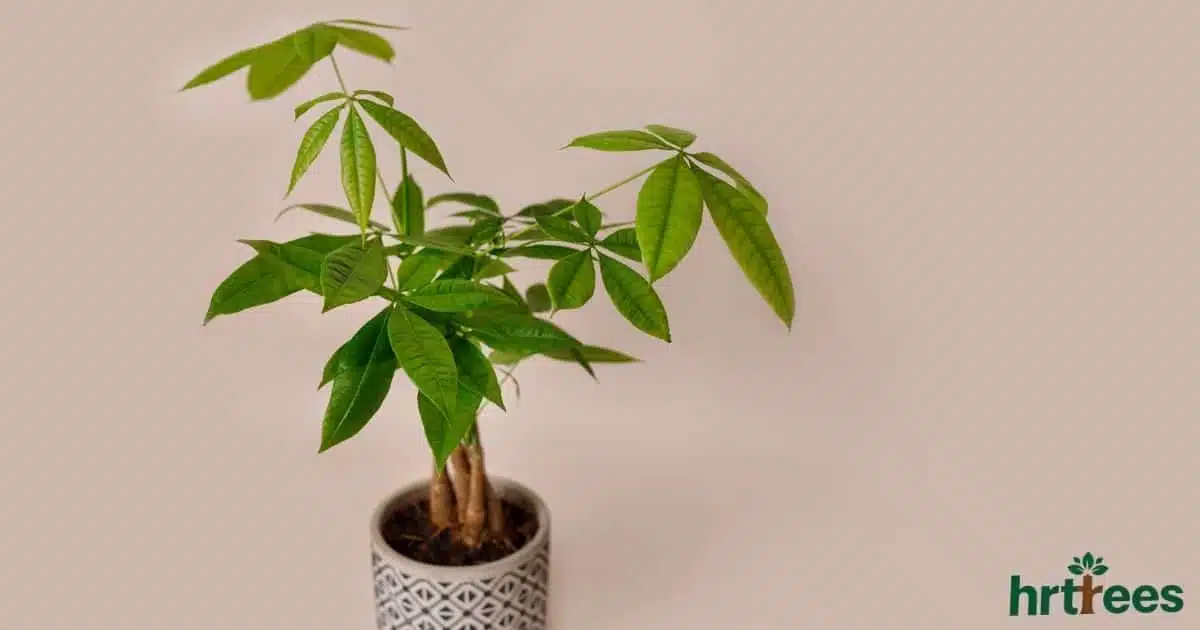
Artificial plants for hotels and malls are the modern solution for high-impact, low-maintenance greenery that keeps its lush, upscale appearance all year round. These permanent botanicals have the psychological advantages of biophilic design, which is to raise guest dwell time and satisfaction, without the repetitive expenses of irrigation, pruning, and replacements.
Moving forward, we will look at how these plants drive ROI and why different spaces need specific botanical strategies.
Why Are Artificial Plants Widely Used in Commercial Spaces?
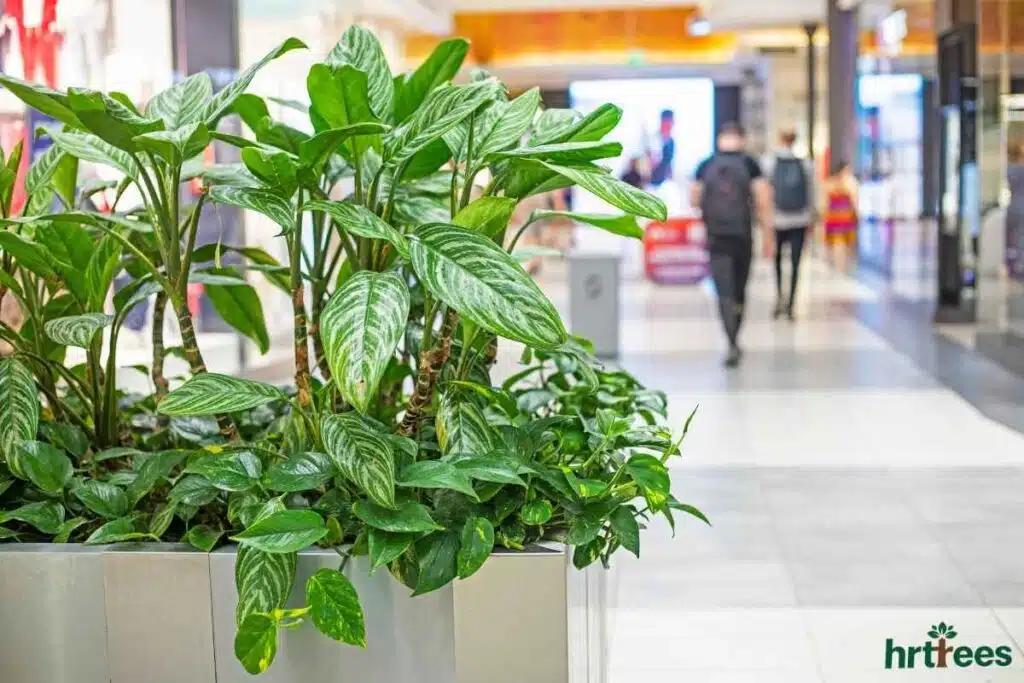
The key factor that has made the artificial plants ubiquitous today is that they provide an ideal combination of efficiency in operations and aesthetic uniformity that cannot be achieved by live plants in large structures.
When it comes to a big hotel or a shopping center, maintaining thousands of live plants is a nightmare to the facility manager. You have problems with poor light, AC drying up the leaves and always having to get a plant guy to come and water the leaves. This is solved by artificial plants which remain forever green no matter the environment.
Visual Impact:
Beyond just looking good, there is a real business logic called biophilic hospitality. Guests are more relaxed when they see greenery and have been found to spend longer durations of time- this is referred to as dwell time.
Low Maintenance:
The trend has changed to sustainable aesthetics in 2026. The property owners are finding out that not using the heavy water consumption and the chemical fertilizers of live plants is not only better to their green rating but it also eliminates the overhead of monthly maintenance. It is a single time investment that recovers very fast in terms of saved labor and replacement expenses.
- Consistency: No brown leaves or seasonal wilting; your lobby looks 10/10 every single day.
- Scale: A 20-foot Ficus tree can be placed in a windowless basement, something that is not possible with nature.
- Safety: FireRetardant (IFR) materials are used to construct the modern premium plants, which is a requirement in building fire codes.
Source: Pexels
Artificial Plants for Hotels and Malls: How Do Greenery Requirements Differ?
Although they both require greenery, the objectives are very different. The plants are more of the luxury cues and branding to a hotel and all about size and longevity in a mall.
A hotel customer desires to feel that he/she is in a personal, peaceful oasis, so the vegetation must appear to be extremely expensive and be located in areas where individuals can nearly feel them.
Within a mall, you require huge installations that assist individuals in locating their path (wayfinding) and are capable of enduring thousands of individuals passing over them on a daily basis.
| Feature | Artificial Plants in Hotels | Artificial Plants in Shopping Malls |
| Primary Goal | Creating a “boutique” feel and calm atmosphere. | Impactful decor, wayfinding, and noise reduction. |
| Plant Style | Delicate, “real-touch” textures like Orchids or Olive trees. | Large-scale sculptural trees like Ficus, Palms, or Green Walls. |
| Placement | Lobbies, bedside, corridors, and spa areas. | Atriums, food courts, and large corridor “islands.” |
| Durability Need | High (needs to look perfect under close inspection). | Very High (must withstand dust and accidental bumping). |
| Design Vibe | Soft, sophisticated, and often “Zen-inspired.” | Bold, vibrant, and used to break up large open spaces. |
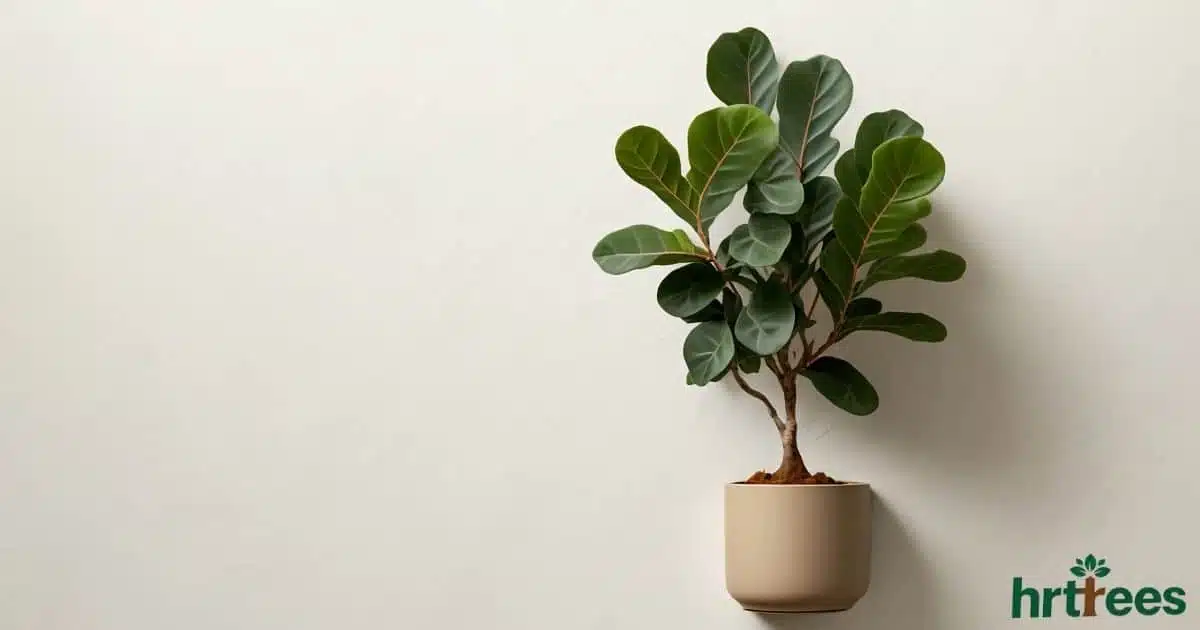
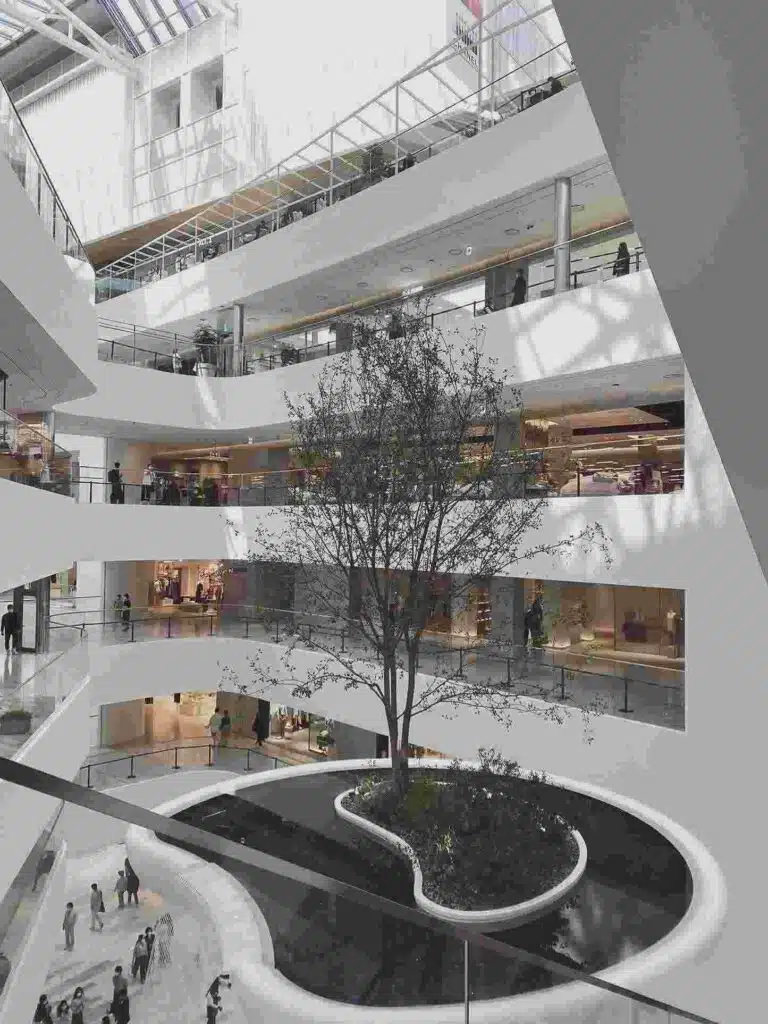
As an example, a luxury hotel may incorporate one, hyper-realistic Fiddle Leaf Fig in the corner of a suite to turn the suite into a home. Conversely, a shopping mall would most probably purchase a 30-foot high preserved Palm tree or a giant artificial vertical garden to absorb the reverberating sound of the shoppers.
Source: Pexels
Top Areas to Install Artificial Greenery in Commercial Projects
Artificial plants need to be placed in areas where they produce the greatest visual effect to be the most valuable. Greenery is used in a big building as a form of spatial punctuation, it informs the guest where to look and how to feel.
The trend of 2026 is not merely putting a pot somewhere in the corner, but more or less integrating botanicals into the architecture of the space.
- Lobbies and Reception Desks: This is the first impression area. The fact that there is a massive hyper-realistic tree (either Olive or Ficus) adjacent to the check-in desk is an immediate signal of luxury and concern.
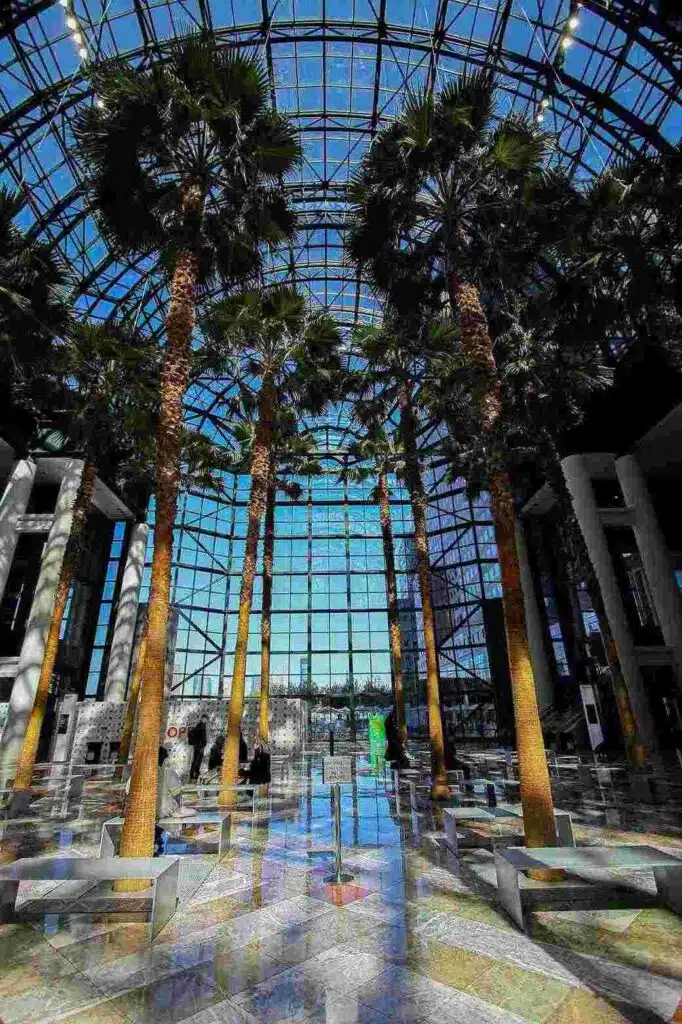
- Empty Atriums and High Ceilings: Malls experience empty spaces in huge central courts. This volume is filled by hanging artificial trailing plants or installing 20-foot tall preserved palms without the need to install expensive irrigation systems at height.
- Food Courts and Dining Areas: Greenery is used to dispel the canteen effect of a food court. Artificial boxwood hedges used as room dividers will give privacy to the diners and also maintain the appearance of the area as fresh and hygienic.
- Windowless Corridors and Spas: Places with no natural light are death zones to real plants. Plastic vegetation flourishes here and gives life to basement gyms, interior spa rooms and long hotel hallways.
Where to Place Artificial Greenery for Maximum Impact
You can control the foot traffic and enhance the aesthetic comfort without the inconvenience of maintaining the greenery in the real world. Here’s how;
1- Artificial Plants in Lobbies and Main Entrances
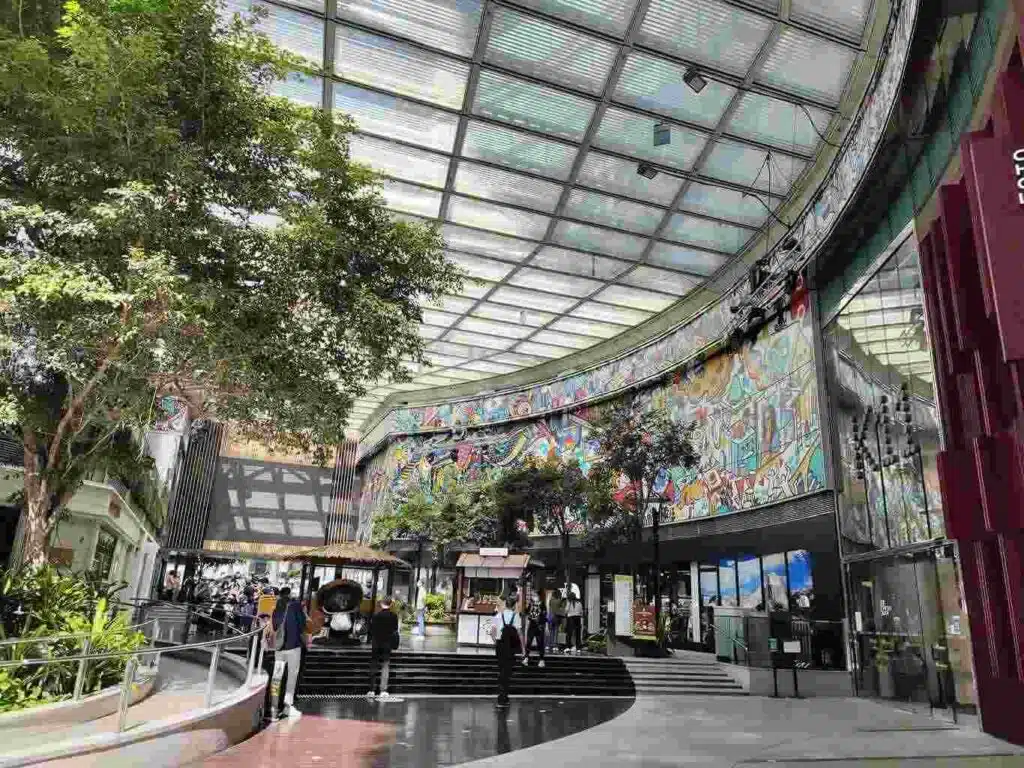
This is because the lobby is the first point of contact with your brand and in most cases, it is a make or break situation. The presence of large-scale statement elements, such as a high-reaching artificial Ficus or a designed preserved moss wall, informs the guests that they are in an upscale establishment.
The ceilings of lobbies are usually high and full of glass, so artificial plants are very useful as they do not get sunburned or hit by the drafts of the sliding doors.
Source: Unsplash
2- Artificial Plants in Public Areas and Common Spaces
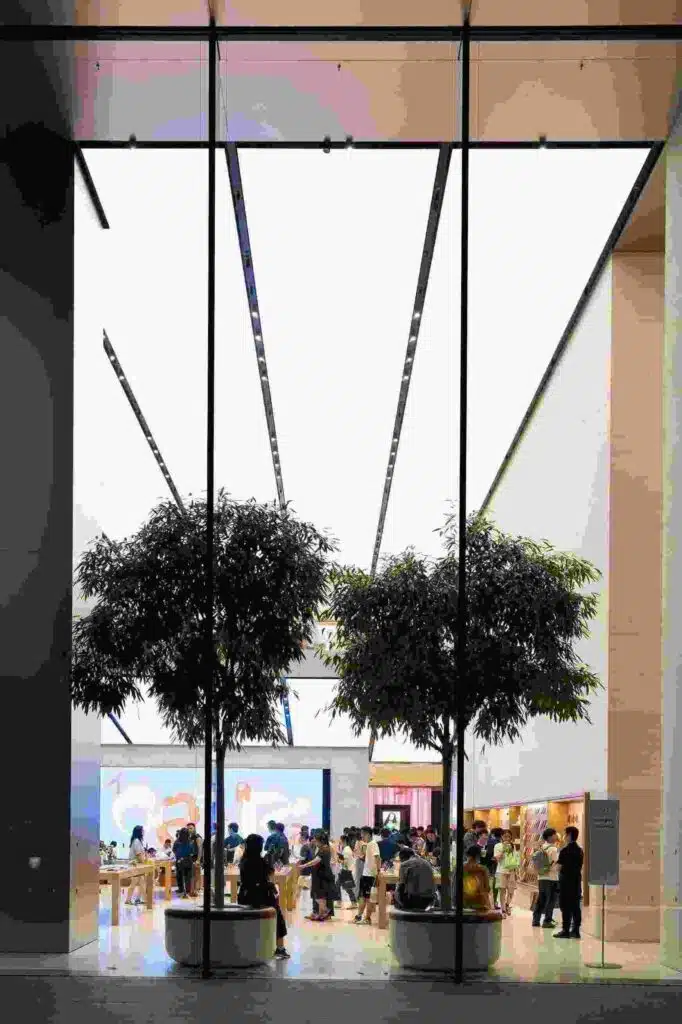
Artificial greenery is a highly useful tool in big open spaces: zoning. Green Dividers, tall bamboo or grasses, are long rectangular planters that can be used instead of constructing hard walls that make a space look small.
This gives the individual sitting in the lounge a feeling of privacy and maintains the open-air ambience of the mall or hotel. It renders the seating areas very comfortable and homely to stay longer.
Source: Pexels
3- Artificial Plants in Corridors, Walkways, and Transitional Spaces
Corridors are the most tedious section of a building, they are usually simply long stretches of dead space. This can be solved by rhythm and repetition. The installation of a particular kind of artificial plant in a regular manner forms a visual route to be followed by the guest.
- Corner Filling: Fill dead corners that do not accommodate other types of trees with tall and slim trees such as an Olive tree.
- Directional Flow: Small planters can also be used to lead people to elevators or exits without having to use the ugly plastic signs.
4- Guest Rooms and Spa Retreats
Hotels and spas have the greatest benefit of artificial plants, since they are completely hypoallergenic. There is no need to worry about guests experiencing an allergy attack or discovering bugs that exist in real soil.
A spa is a place where you would like to have a Zen atmosphere, yet natural plants are not always able to cope with the excessive humidity or the absence of natural light in the treatment rooms. False succulents or ferns provide that calming green appearance without the danger of mould or soil odours.
5- Food Courts and Atrium Displays
In large areas such as atria in malls, use Vertical Forests. They are gigantic structures that make the space look big and attract the eye upwards. But as these are high-occupancy areas, you need to make the foliage certified fire-retardant.
Artificial plants are preferable in food courts as they do not litter the food of people with their leaves and do not need to be watered in a messy way around electric points or dining tables.
Most Common Plants Recommended for Commercial Environments
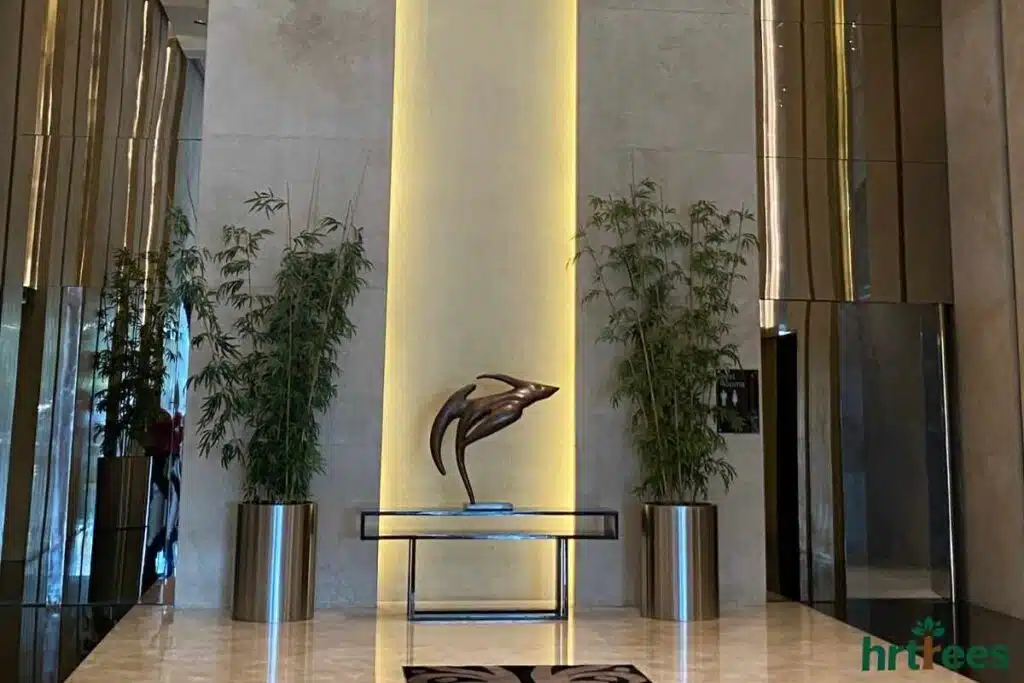
The selection of the appropriate form of artificial plant is based on the vibe that you desire to achieve and the physical area that you have. By 2026, the trend has shifted from generic green to botanically correct species that appear so lifelike that people have to touch them to make sure.
- Ficus & Fig: The kings of commercial spaces. One of the Fiddle Leaf Figs is huge and has huge waxy leaves which appear very modern and another Ficus Benjamina is good to fill in large spaces with its thick canopy.
- Olive Trees: This is highly fashionable at the moment in the hotel lobbies with Mediterranean-style. Their profile is slim and their color is silvery-green and looks very high-end.
- Palms: Suited to malls and resort-style hotels. They give a lot of lift and a vacation feel at first sight.
- Bamboo: The ideal solution to Green Dividers. Bamboo is straight and tall and is therefore very good in forming a living wall that divides the sitting areas.
- Succulents & Pothos: These are good with greenery on the low level. Trailing down off high shelves or balconies should be done with Pothos and reception desks with limited space should be done with succulents.
- Lemon Trees: Common in food courts or hotel breakfast rooms to provide a fresh organic experience to the meal.
Elevating Your Brand with Permanent Greenery
The option of high quality artificial plants for hotels and malls is an excellent idea to increase the ROI of your property and ensure that your guests are happy and relaxed. It is all about generating that wow factor without the hassle of having to maintain it on a daily basis or the expense of having to replenish dead plants after every few months.
In case you would like to make your business premises a beautiful, high-end place, check our projects at HRTrees to identify the ideal botanical solutions to your project.