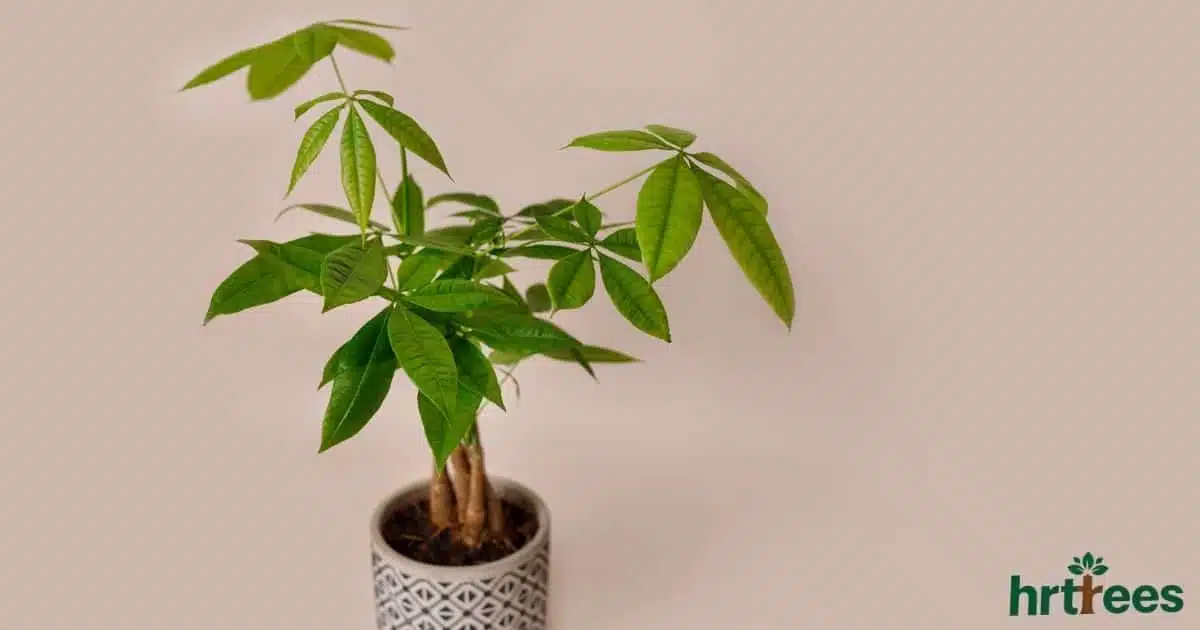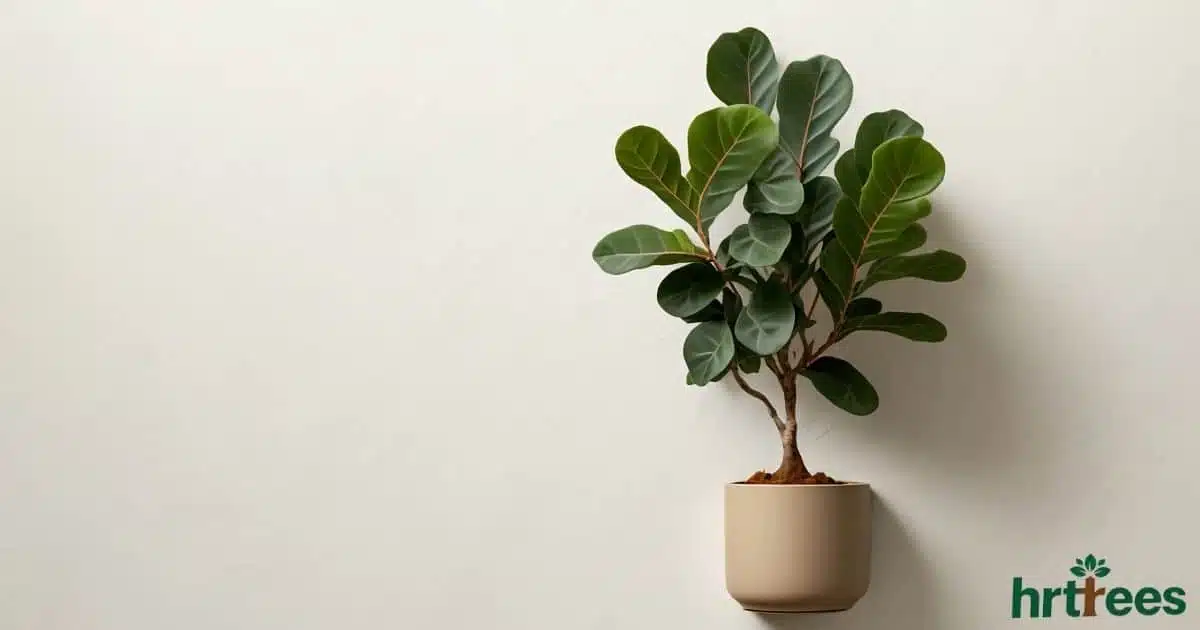
Do fake plants attract bugs? The answer is no. A Fake plant does not supply food or nectar, and any living material, that’s why it is not a natural attractant. But they are able to be similar to a dusty shelf where the pests take rest or hide due to neglect.
Do Fake Plants Really Attract Bugs?
Artificial or fake plants do not allow insects what they need, i.e., food, nectar, pollen, or plant tissue. The majority of bugs will not be attracted to them because they are composed of plastics, silk, or foams, as compared to how they attract living greenery.
Source: Pinterest
That is why fake plants are so successful in the kitchen, offices, and spaces with low light, as real plants cannot endure.
Still, bugs are opportunists. In case a fake plant is put at a place where food is spilled, wet potting soil, or a messy location, the insects may explore it as a shelter and a place to sleep.
Moreover, some of the pests (e.g, fungus gnats) are related to moist soil and compost, but not faux leaves.
The primary activity of prevention is hygiene: wiping wet surfaces, wiping the crumbs, and dusting artificial leaves.
What are the Common Bugs Found on Artificial Plants?
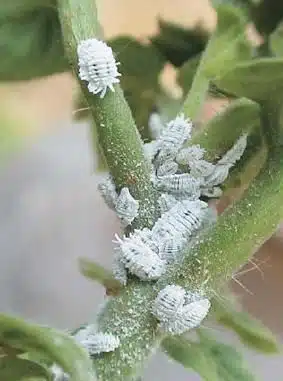
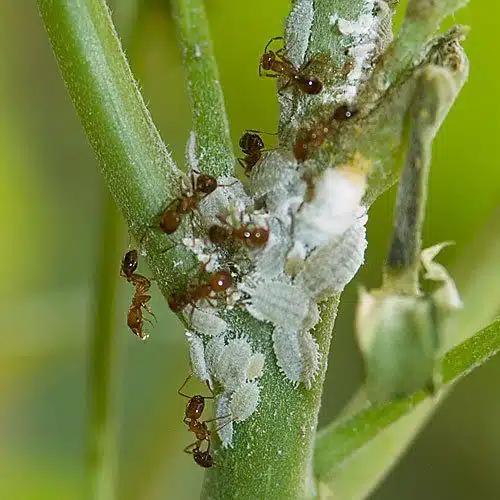
When insects are illustrated on a fake plant, it is usually insects that are seeking refuge or a food source close to the plant, and nothing to do with the plant. Common examples include:
Source: Pinterest
- It carries small flying insects (e.g., fungus gnats): typically from the nearby damp soil or compost.
- Spiders: In case of insects being present in the air, they can secure a web on artificial plants.
- Cockroaches or beetles: Places of hiding in and around the kitchen or the basement, and find dark and cluttered pockets.
- Dust Mites: Dust mites are microscopic pests that inhabit dusty textiles that can settle down on textured fabrics that have imitation leaves.
What Factors Increase Bug Attraction?
Bugs come to households because of three factors, which include food, water, and shelter. Suppose a house were a buffet, a watering hole, and a hotel to the pests. The role played by the fake plants in attraction can at best be indirect.
The attraction-enhancing factors that matter the most are:
- Muddy and wet soil around a faux plant (attacks fungus gnats).
- Food crumbs or spilled drinks in the place.
- When the leaves are covered with heavy dust, pollen, or organic debris providing shelter or food to the small life.
- Congested areas and a lack of sufficient air circulation offer shadowy and secure areas.
- Artificial plants, when stored and not washed off in the outside, leaves can accumulate pollen or eggs of insects.
Deal with them, and the chances of your fake plants being eaten by pests as shelter are minimized. Today, the doctrine behind integrated pest management is directed at getting rid of these traps.
Is It Bad to Keep Fake Plants in the House?
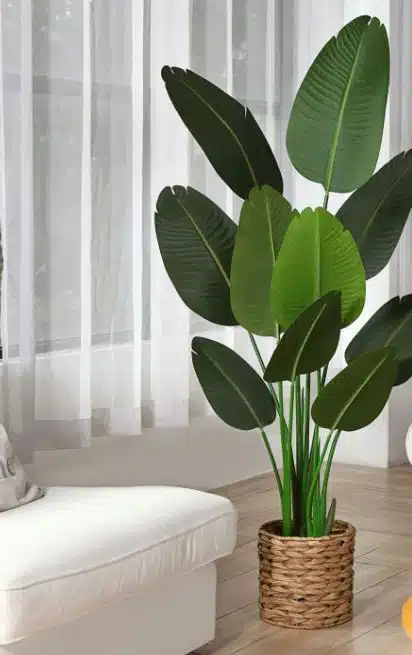
No, fake plants are decorative and does’nt bad in indoor.. They are not only low-maintenance, but some of them are also hypoallergenic.
Source: Pinterest
The main disadvantages are the formation of dust and, in the case of poor location, risks of hiding the pest-friendly habitats.
Due to textured fakery, dust can become lodged and, in more severe cases, cause more allergic effects to more sensitive persons when not removed.
There may be a dirty artificial plant near moist soil or food that can be included in a microclimate conducive to pests.
They are pet/animal-friendly and pest-neutral alternatives to real plants with simple precautions. Nor are they problematic because of frequent cleaning and ingenious placement.
How to Prevent Bugs on Fake Plants?
- Clean or wipe dust off your decorative fake plants once a week using a microfiber cloth.
- Keep residual dirt and debris by sweeping under and around plants.
- Faux foliage should always be separate from natural potted soil; damp sources of soil should be separate.
- The faux plants placed outside must be washed and dried outside, and then the pollen and approximately the debris must be brushed off before they are brought inside.
- In case of small flies, traps can be applied as sticky traps or jar traps in order to locate the sources.
- Improve the air conditioning of problem rooms and reduce humidity.
Just in case you are no longer sure that the insects are hiding in the artificial plant, move the object, rinse it with a bit of soapy water, examine the immediate environment (cooking area, sink, pot plants), and handle damp or food conditions.
Such small actions would be consistent with the overall IPM (Integrated Pest Management) standards: no food, no water, no shelter to begin with.
Quick comparison: Fake vs. Real plants
| Feature | Fake Plants | Real Plants |
| Attracts insects for food | No | Yes (nectar, pollen, sap) |
| Harbors soil-borne pests | Only if nearby soil exists | Yes (fungus gnats, root pests) |
| Maintenance | Wipe/dust | Watering, pruning, pest checks |
| Allergy/pollen risk | Low (if cleaned) | Can produce pollen/allergens |
| Best use | Dim areas, low care | Air quality, living décor |
Final Thoughts
Fake plants do not contain food or living tissue on which the pests depend. When there are crumbs, wet soil, or heavy dust, they can be placed as resting places, however.
The simplest solution is simple cleaning and good housekeeping. Be like a small piece of furniture with fake foliage. Then, your artificial vegetation shall be lovely and pest-free.
At HRTrees, we offer premium, realistic artificial plants designed to elevate your space without the maintenance or mess.