Decorating your home should be fun, not a chore. If you want to add some life to your room without adding more work to your plate, you have probably thought about going artificial. Well, understanding the faux plants meaning is the first step to turning your space into a chill, green retreat without the stress of keeping something alive.
In today’s guide, we’ll be comparing fake plants and real plants. We’ll show you the secrets behind that realistic look by getting into the materials used. Plus, we’ll give you placement suggestions and share the top mistakes you need to skip. We will also look at how to keep them looking great.
What Are Faux Plants?
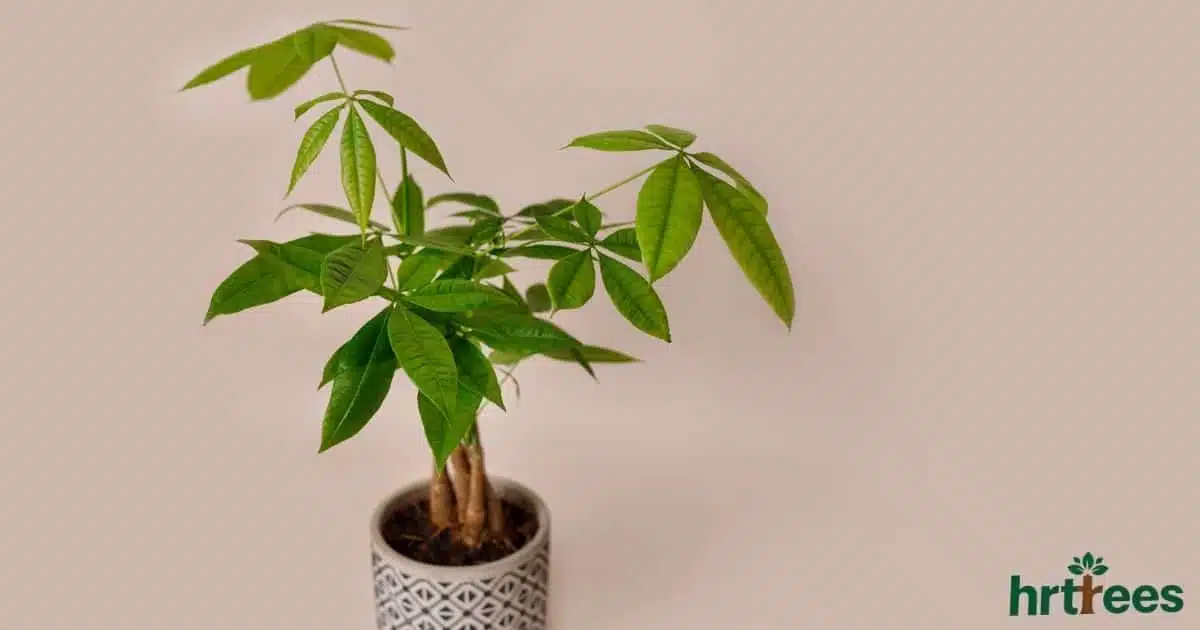
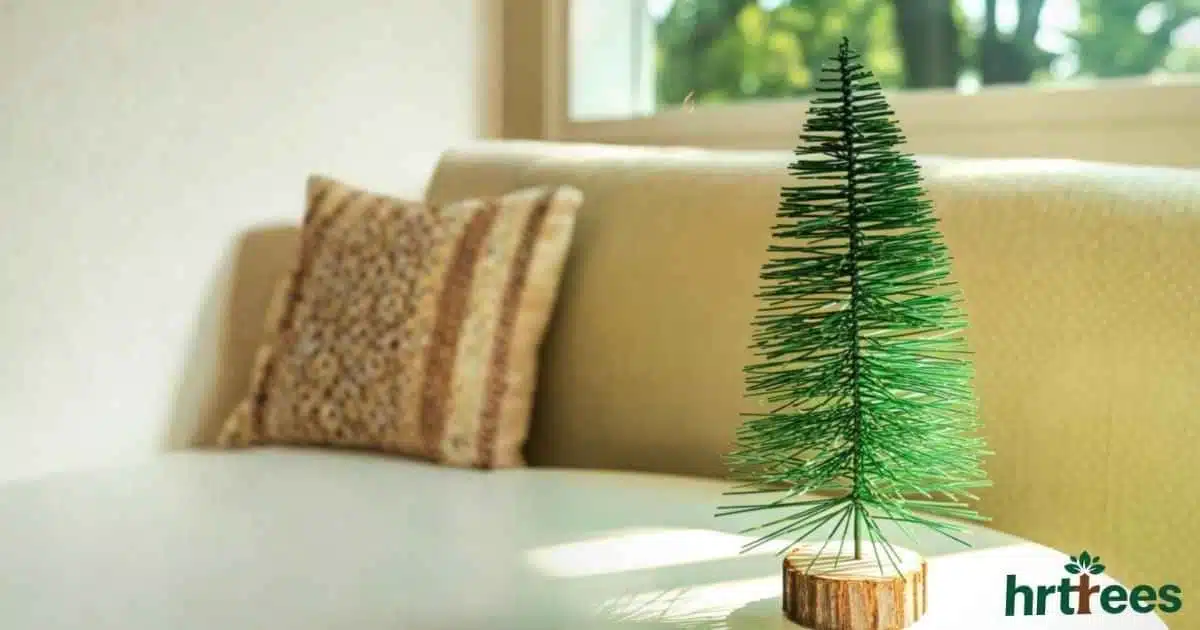
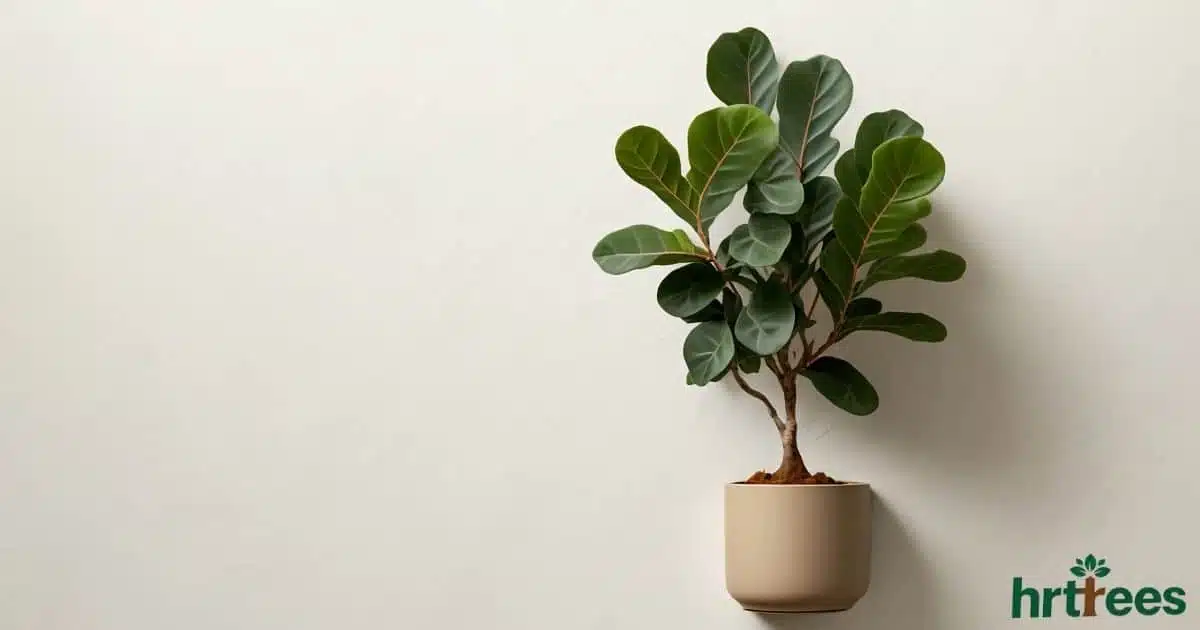
Faux plants are basically just man-made copies of real trees and flowers. While “fake” used to mean cheap-looking plastic, newer ones use stuff like silk and high-end materials to look way more natural. You get the garden vibe without the hassle of watering or messy dirt. They are the perfect hack if you weren’t born with a green thumb.
Are Faux Plants Better Than Real Plants?
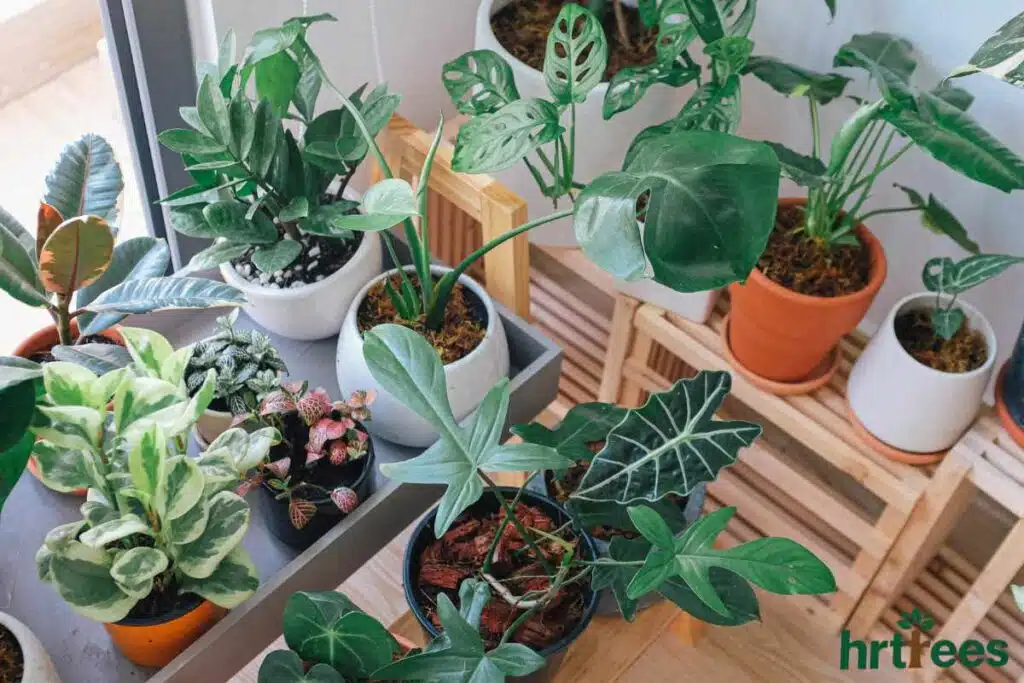
Well, neither is strictly the “better” option. It all comes down to what you need it for and your lifestyle. Faux plants are a great way to add stress-reducing greenery anywhere. It is especially the case if you have a busy schedule. Real plants are perfect if you enjoy taking care of the plants and, of course, for air purification.
Let’s look at the main differences:
| Factor | Real Plants (Living) | Faux Plants (Artificial) |
| Maintenance | High (watering, sunlight, feeding) | Zero (dusting only) |
| Placement | Restricted (Must have proper light) | Unlimited (Can go in any dark corner) |
| Allergies | Can trigger allergies (Pollen, or mold) | Allergy-free |
| Pests | Can attract insects and bugs | No pests |
| Air Quality | Can filter and purify air | Does not purify air |
Do Faux Plants Give You the Same Health Benefits as Real Ones?
No, unfortunately fake plants don’t offer you any health benefits. It simply cannot clean your air or make oxygen like the real ones.
But, they are fabulous for your mind and mood. Even though they’re man-made, just seeing the green color of these artificial trees and plants can help you relax and feel less stressed, according to some studies. By looking at them, you’re not just boosting your mood, you’re also helping to make yourself more creative.
Which Faux Plant Material Looks the Most Realistic?
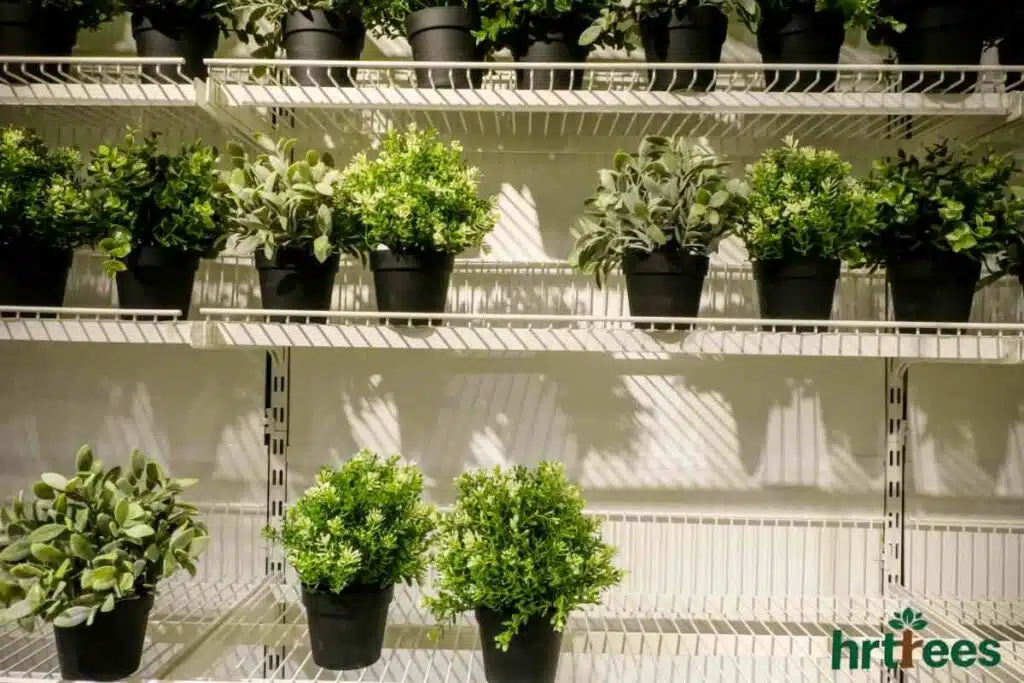
Do you want a plant that truly fools your friends? Well, then you need to focus on the material. The most realistic faux plants you can buy, use special “Real Touch” materials. Examples are latex or silicone.
Here are the main types of faux plant materials that you will find:
The Main Types of Faux Plant Materials
- “Real Touch” / Latex / Silicone: This material is the best choice for realism. Manufacturers mold it directly from the real plants. This gives it a slightly soft, rubbery feel that copies a real leaf. These cost the most money. But they are absolutely the most convincing.
- Polyethylene (PE): This is the most common material out there. It is mainly because it’s super tough and lasts forever. Plastic works great for large leaves and plants that you keep outside. This is because it handles the weather well.
- Polyester/Fabric: It is often used for fake flowers and plants with delicate leaves. The material helps create those softer edges and more detailed patterns.
How Can You Tell a High-Quality Faux Plant from a Cheap One?
When you are on your shopping spree for your faux plants, look for the following:
- Check the edges of the leaves: Good quality leaves will look a little rough or uneven. Almost like a real plant. The cheap ones usually have straight, stamped edges that look too perfect and plastic.
- Look for Color Variation: Real leaves never stay just one color. High-quality fake plants match this by showing small color changes. Usually, it’s a lighter green in one area, or a darker shade in another, a tiny bit of yellow, or even a few little brown spots. This makes them look much more real.
- Look at the Stems: Look for stems that have a slightly textured or woody look. Not the ones with just shiny, painted plastic.
- Feel the Texture: Touch the leaf! A good “Real Touch” leaf will feel solid and slightly waxy. A cheap one will feel thin and brittle.
Where to Put Faux Plants for the Best Look? (Placement Tips and Mistakes)
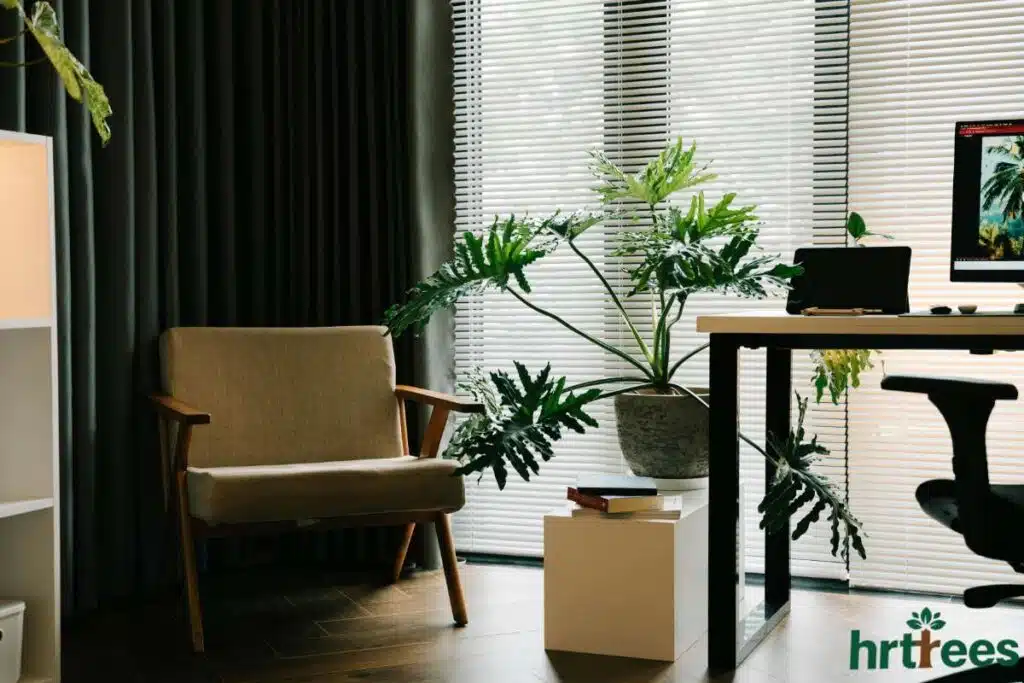
The best thing about fake plants is that you can put it in that chilly or dark corner without worrying about it dying on you. But when it comes to placement, there are a few things to keep in mind.
The Best Spots for Faux Plants
A quick note: This advice is only about decorating and easy maintenance, not about energy or balance.
- High Shelves and Cabinet Tops: Use them in those hard-to-reach areas where watering would be a literal nightmare.
- Windowless Rooms: Bathrooms, basements, or inside hallways are perfect places for that splash of green.
- Bedrooms: If someone in your family has allergies, a faux plant will be a guaranteed pollen-free option.
What Common Mistakes Should You Avoid When Using Faux Plants?
Even the best quality faux plant can look fake if you don’t display it in the right way.
- The Dusty Mistake: This is the #1 way to ruin the look. Dust makes your plant look old, cheap, and totally fake. Wipe your faux plants down regularly.
- Keeping it in the Original Container: Your faux plant will usually be in a cheap plastic pot. Get rid of it! Repot the plant right away into a beautiful container like ceramic, clay, or a basket. Cover the top foam base with small rocks or decorative moss to finish the upgrade.
- Too Much Direct Sun: Faux plants need zero sun unlike real ones. Just a little heads-up, if your plant is sitting in direct sunlight for long periods, the plastic and fabric colors will eventually fade. If it’s right by a sunny window, you should grab a UV-protectant spray to keep that from happening.
How to Keep Faux Plants Clean and Looking Brand New?
Keeping your fake plants clean is the one thing that guarantees they look real. Let’s have a look at some tips that will prevent them from ever looking cheap or dusty.
Weekly Cleaning:
- For Big Leaves: Get your microfiber cloth and give the large leaves a wipe down with a bit of water.
- For Small or Delicate Plants: Use a hair dryer. Put it on the cool setting and just blow the dust right off the leaves.
Deep Cleaning
- Mix up some warm water with a little mild dish soap and wash the leaves with the solution.
- Rinse everything thoroughly and then let the plant sit out to air dry completely.
Fixes and Protection
- Did one or more of the leaves get bent? You can use your hair dryer on a low, warm setting to help soften it up and reshape it.
- If you keep your greenery outside, or near a sunny window, you can apply a UV-protectant spray.
Have a look at this how-to-clean-artificial-plants video here:
Final Thoughts on the Faux Plants’ Meaning
The faux plant’s meaning is easy to understand. It is high-quality copies that give you the look of nature with zero maintenance. They are perfect for dark corners and high shelves. Why? Because they never need sunlight.
If you want the most realistic look, go with plants that are made of “Real Touch” materials. And that also features natural color variations. Always prevent dust and make sure to upgrade the original pot for the best appearance.
If you have any questions or are in need of high-quality faux plants, HRtrees has got you covered. Contact us today! And let’s find the faux plant that brings natural beauty to your space.