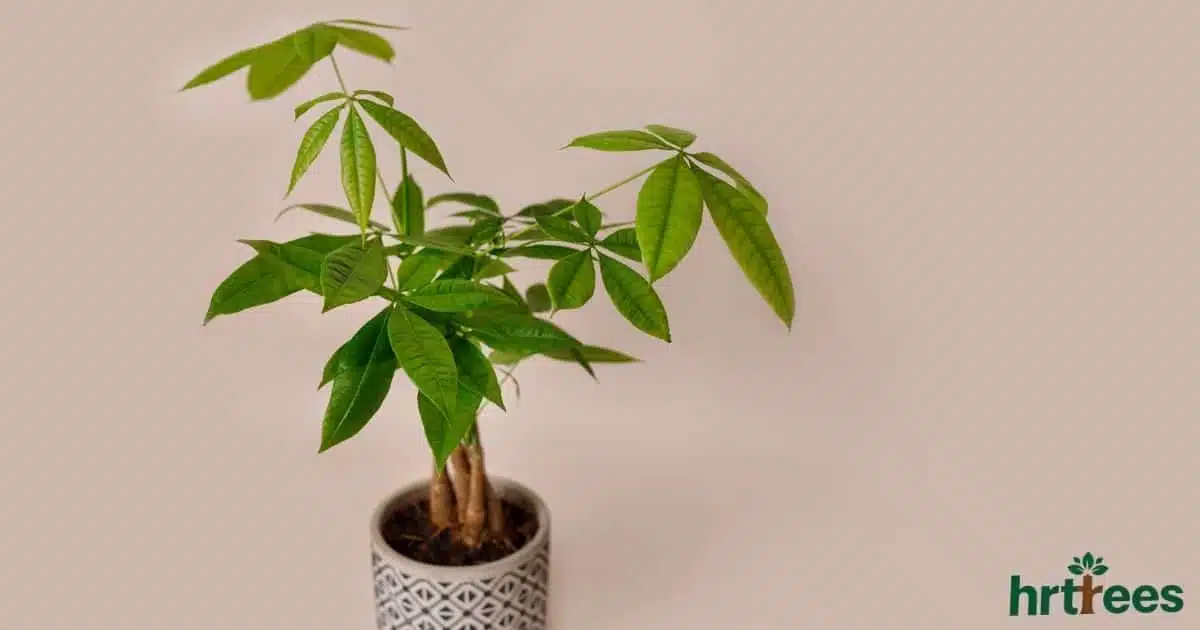
Artificial plants are an excellent choice for greenery in your home or garden without all the maintenance of natural plants. However, on putting them outdoors, they might be exposed to the adverse weather, thus appearing tattered and battered.
In this guide, we will share practical steps on how do you weatherproof artificial plants, so that they extend their life and also look fantastic.
Why Weatherproofing Artificial Plants Is Important?
The artificial plants have to be made waterproof as the sun, rain, snow, and wind can ruin them over time.
All you have to do is make sure you protect your plants with some simple measures, and you will be able to keep them in a clean and lively appearance, no matter what the weather is
Practical Steps to Weatherproofing Artificial Plants
Careful attention is needed to protect your artificial plants from the environment so that they can remain beautiful and long-lasting.

Source: Pexels
You can do anything with them, on your balcony, patio, or garden, but these few measures will serve to protect them against the weather and make them a lasting possession.
Clean Your Plants
Clean your plants first before covering them. The dust, dirt, and leaves may accumulate on the plants and prevent the protective sprays from working.
Clean smaller plants using a soft cloth or a duster. The weather protection will be easier to apply to a clean plant.
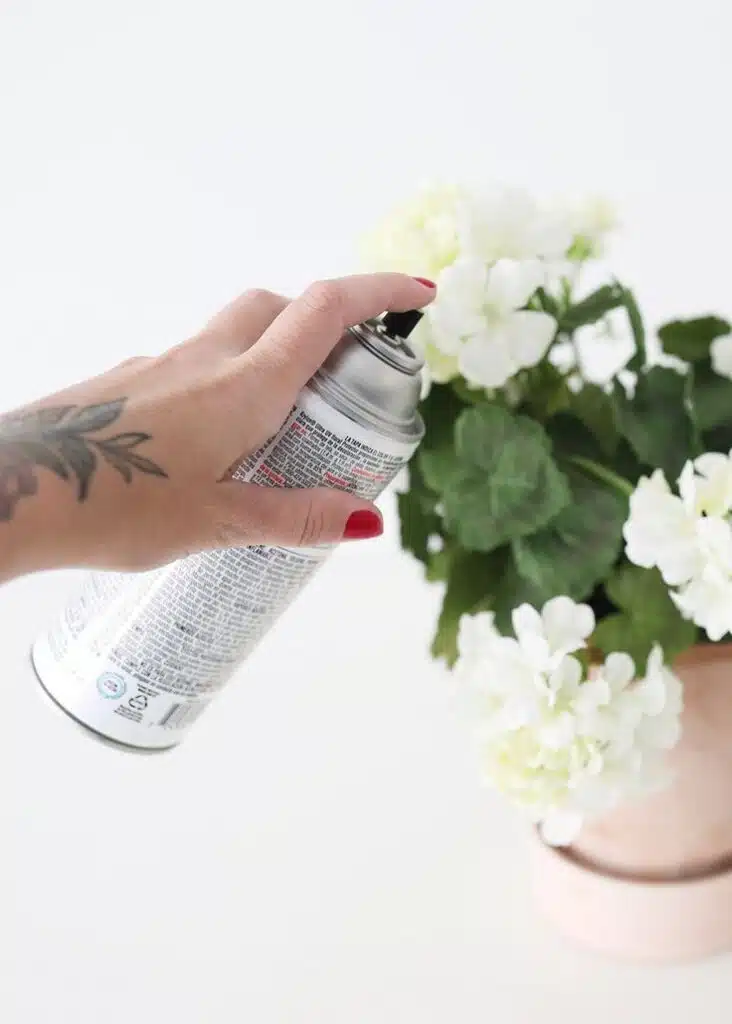
Apply UV Protection Spray
Artificial plants could also be destroyed by rain and dampness, especially when the material applied is not waterproof. In order to make sure that your plants are not ruined by water, you can apply a spray to stop water impregnation.
Source: Pinterest
You have to make sure you purchase an outdoor spray. All you have to do is read the instructions on the label and spread it over the leaves evenly. A quick coat is all it requires, yet it can help a lot in the protection of the plants.
Use Waterproof Coating or Spray
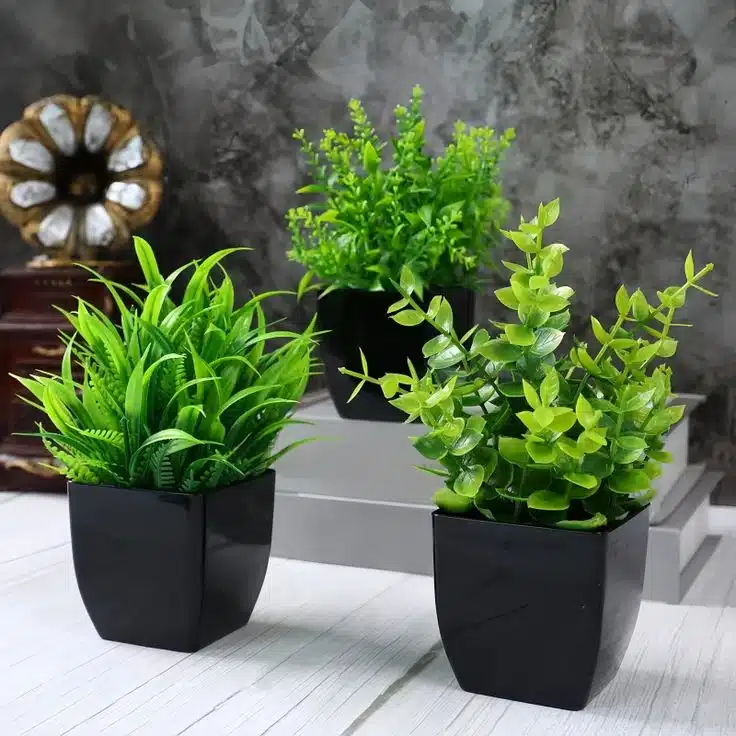
Artificial plants may also end up being ruined due to rain and moisture, particularly when the materials used are not water-resistant. Waterproof spray can be used to ensure that your plants are not damaged by water.
Source: Pinterest
It is simple to use, all you need to do is ensure you buy one that is outdoor. When sprayed, your plants will also be more resistant to rain and moisture.
Secure Plants Against Wind
Wind may blow your plants away or destroy them without a good and sufficient weight or securing. To prevent this, ensure that your plants are in well-built pots that do not fall easily.
In case your plants are already in containers, then you can add some weight to the bottom of the pot.
The other thing that is good to do is to put the plants in the areas where the wind is not so high, such as against a wall or an angle.
Bring Sensitive Plants Indoors when the Weather is Bad
Although most of the artificial vegetation is supposed to be planted in the open areas, it may not withstand bad weather conditions, like rain, snow, and even low temperatures.
Introducing more sensitive plants in times when the weather is very harsh would be a good idea.
They can be kept in a shed, garage, or such a dry place until the weather changes. This will keep them from being spoiled, and they will live longer.
Choose Durable Outdoor-Grade Plants
Not every artificial vegetation will be able to survive the outdoors. When buying artificial plants to adorn your garden or your balcony, you require locating those that are labeled as being of outdoor standard or weatherproof.
These plants are engineered to endure the sun, rain, and wind compared to normal indoor plants. It is by the selection of the appropriate plants at the beginning that a number of the weather difficulties can be prevented in the future.
Trim and Maintain Regularly
Trimming and maintenance will ensure that they look good. Time allows dust to accumulate, and the leaves may end up being dirty or bent.
Spend some time once per month cleaning and trimming down the plants. This will save them the hassle of staying clean and aid the protective sprays.
Use Protective Covers or Shelters
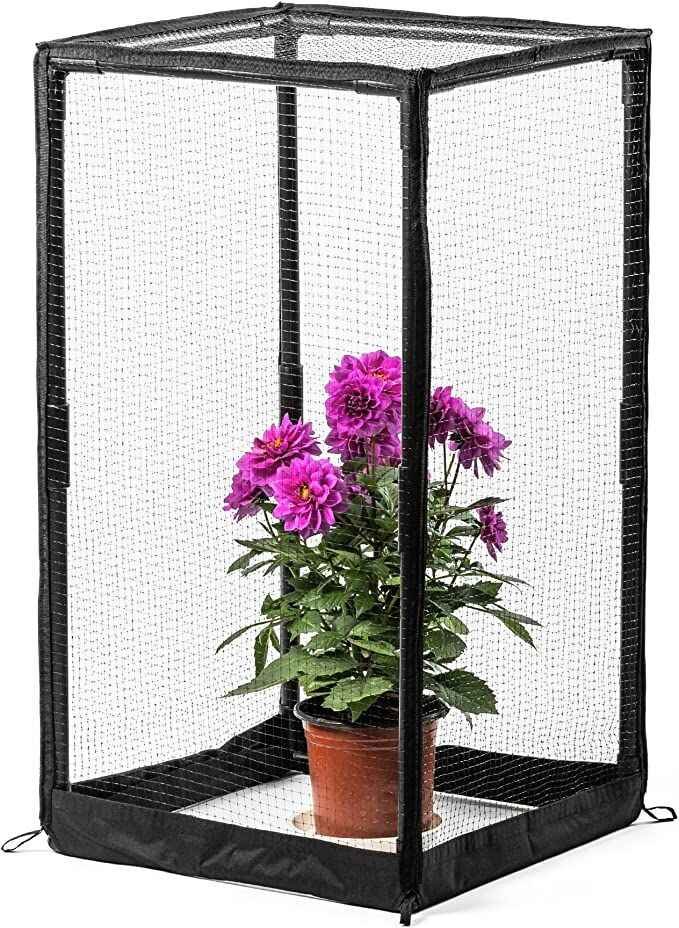
In case you desire to provide your plants with additional protection, then you can go on and cover them or place them under a cover. Take the case of a waterproof cover that will protect your plants against rain and snow.
Source: Pinterest
You may also have your plants in a porch, gazebo, or anywhere that does not expose them to the direct weather. Cover or shelter will be used to shield them during rough weather.
Bonus Tips for Outdoor Artificial Plants
- Pick lighter plants: Dark colors are more likely to fade under the sun. Use light colored plants so that they do not go out of color.
- Put foam in pots: When you are putting artificial plants in pots, use foam to keep them stuck. It assists in maintaining their stability and maintaining their position.
- Inspect often: You have to watch your plants. When they begin to appear tired or worn out, take action immediately to repair them.
Final Thoughts
Artificial plants should be covered with weatherproofing, which is not complicated. With clean waterproofing, anti-wind protection, and UV protection of artificial plants. It is easy to have your plants looking beautiful throughout the entire year.
The advantages of artificial greenery can be enjoyed long after the summer season is over, so long as one uses them carefully and attentively.
And in the market for durable, outdoor artificial plants, be sure to check out the selection at HRtrees to find naturalistic plants to fill any area.