
Most “realistic” plants you buy online show up looking more like a radioactive lime than a living tree. Oh, we know that frustration all too well. Finding a realistic artificial plants manufacturer that actually prioritizes botanical accuracy over cheap mass production changes everything for your home decor.
We wrote this guide to show you exactly how we use 3D tech. And also artisanal hand-shaping to get rid of that “fake” look for good. Let’s get right into it
What Makes an Artificial Plant Look 100% Real?
(Image Source: Photo by Andre William on Pexels)
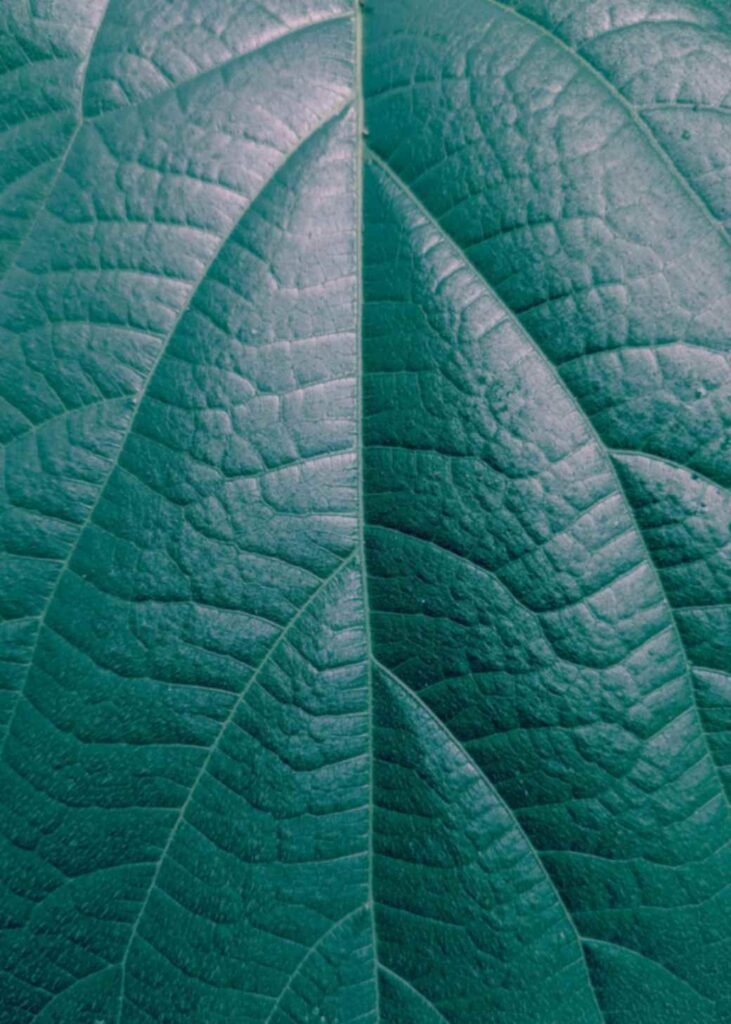
Real plants are not perfect. They have tiny flaws, insect nicks, and uneven growth patterns. We focus on replicating these natural “mistakes” to ensure our products look authentic. When we design a new product, we look for the tiny irregularities that make a plant look alive. If a plant looks too perfect, your brain immediately knows it is a fake.
The following makes an artificial plant look more real:
- Natural Shapes: We avoid perfect symmetry. The leaves feature unique curls and different sizes to mimic real growth. We ensure no two leaves on a single branch look exactly the same.
- Deep Colors: We use multi-tonal shading. You will see lighter greens on new tips and darker shades near the base. We layer these colors to create depth. This mimics how light hits a biological leaf.
- Tactile Accuracy: Our “Real Touch” tech gives leaves a waxy, cool texture. They feel like a living plant instead of dry fabric. This material holds a certain amount of “weight” that moves naturally in a breeze.
Choosing the Right Materials: Why We Moved Past Basic Silk and Plastic
We stopped using old-fashioned silk and cheap PVC years ago. These materials look fake and fray over time. We now use specialized polymers because we wanted a material that actually looks like living tissue.
We build these plants to stay vibrant for years so you aren’t throwing them in the trash after one season of sun. A believable plant starts with the right ingredients. And you just can’t get that “life-like” look using low quality materials.
Why ‘Real Touch’ Materials Feel Like Actual Leaves?
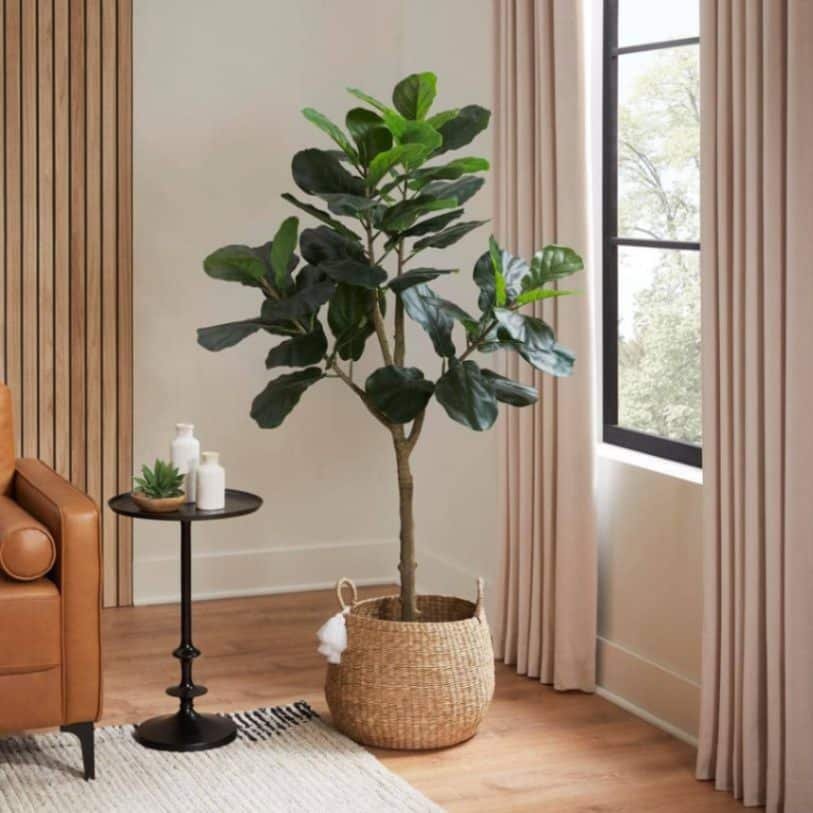
We apply a liquid polymer over our specialized molds to build a “fleshy” leaf that actually has some weight to it. This process creates that thick, waxy texture you find on a real succulent or a Fiddle Leaf Fig.
(Image Source: Pinterest)
Unlike silk plants that look limp and paper-thin, our materials have the backbone to stand up like a real stem. This also prevents the edges from fraying or looking “hairy” like cheap fabric alternatives.
How We Build Color Into the Material So It Never Fades?
We mix UV-resistant pigments into the liquid material before molding. The color exists inside the leaf rather than just sitting on top. This prevents your plants from turning blue or gray in the sun. Many manufacturers just spray-paint the surface. That paint chips and peels after a few months of cleaning. Our method keeps the color vibrant for years because the pigment is part of the plant’s DNA. How cool is that?
From Nature to the Factory: How We Copy Real Plant Shapes
We start every design in a garden. We use live plants as a primary blueprint for every new batch we create. We believe you cannot design a realistic plant sitting at a computer. You have to touch and see the real thing first. We study how leaves attach to stems and how branches reach for the sun. This organic research is what sets premium manufacturing apart.
Using Real Plants to Create 3D Production Molds
We start by scanning real plants to capture their natural textures and shapes. At HRtrees, we bring these 3D scans to life using our 12 automated production lines and 20 years of expertise. Our 8,000-square-meter factory uses 0.5mm precision during the molding. This means every tiny ridge from our scans shows up perfectly on every stem we make.
We ensure these molds stay true to nature by using high-quality materials. And we use UV-stabilized polymers and internal galvanized steel to make sure the final artificial trees and plants keep their natural posture and color.
Why Every Stem Is Hand-Shaped to Look Unique?
Machines create boring, straight lines. Our artisans hand-shape the internal wires instead. This allows branches to “reach” or “droop” naturally. We train our staff to understand how specific species grow.
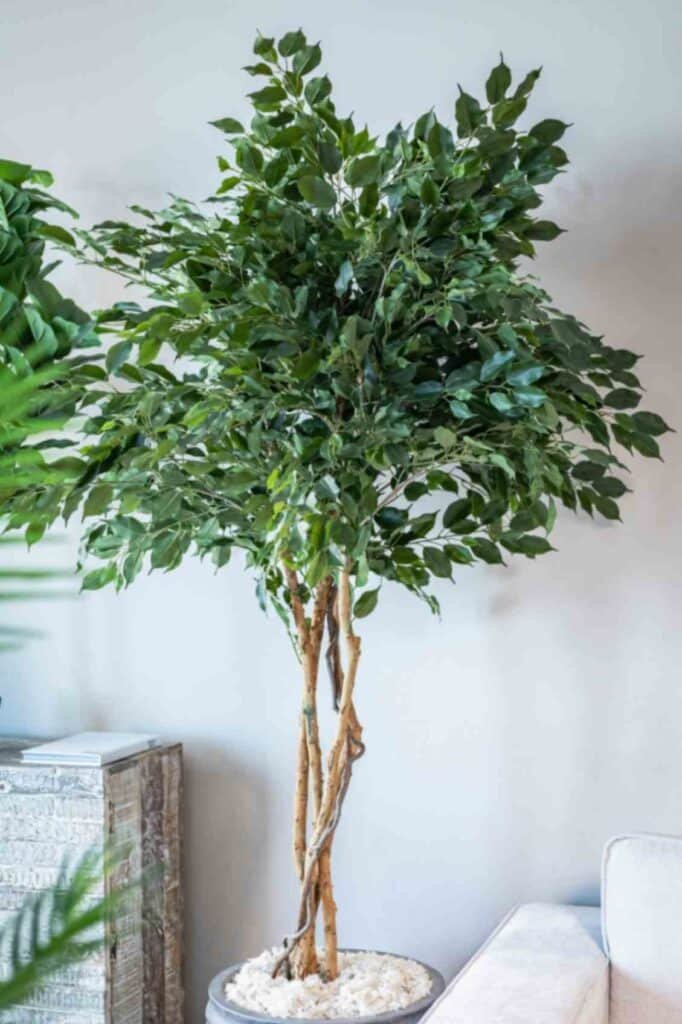
A palm tree should arc differently than a ficus. By shaping these by hand, we make sure the plant has the same natural “posture” you see in the wild.
(Image Source: Photo by Ayrat on Pexels)
Small Details That Make a Big Difference in Realism
Realism lives in the tiny details. We focus on the “micro-botanics” that most people miss at first glance. These are the things that usually convince your brain that a plant is real. Let’s have further look at these details:
Replicating Veins, Thorns, and Tiny Stem Details
We pay attention to the small stuff. We print detailed veins on the underside of every leaf. Most people only look at the top. But we know the bottom matters too. We also add “husks” where leaves meet the stem. We create craggy bark textures using specialized resin on our tree trunks. We even add tiny thorns to the roses that look sharp but are safe to touch.
How To Stop Plants From Having That ‘Cheap Plastic’ Shine?
We apply a matte finish to every product. This stops light from bouncing off the surface in a harsh way. The leaf absorbs and diffuses light just like a living cell. Cheap plastic reflects light in a way that looks oily. Our finishing process ensures the leaves have a soft, natural glow. This is especially important for indoor spaces with bright overhead lighting.
Manufacturer Comparison: High-End Realism vs. Cheap Store Alternatives
Commercial-grade manufacturing is a big step up from big-box retail. High-quality faux plants are a long-term investment for your home. You might save money today on a cheap plant. But you will likely throw it away next year. It is better to buy once and enjoy the beauty for years.
Let’s have a look at the difference between high-end manufacturers and cheap store alternatives.
| Feature | High-End Manufacturer | Cheap Store Alternatives |
| Material | Real Touch Polymers | Thin Silk or Recycled PVC |
| Coloring | Hand-painted Gradients | Single-tone Flat Colors |
| Durability | UV & Fire Rated | Fades and Frays Quickly |
| Structure | Custom 3D Molds | Generic Factory Molds |
| Maintenance | Dust-Resistant | Dust Magnet |
Why Low-End Products Look Like ‘Plastic’
Cheap plants use low-grade plastics with a high-gloss finish. They use what we call “cookie-cutter” shapes. This is where every leaf is an exact clone. In nature you will never find two leaves that look exactly the same.
When you see a plant with 70 identical leaves, your brain just instantly knows it is fake. We vary the molds and the paint jobs to avoid this “uncanny valley” effect.
The Hidden Costs of Cheap Faux Greenery
Cheap plants often fall apart within a year. They lose petals and attract massive amounts of dust. Professional grade products look great for ten years or even longer. You can clean them easily and they won’t lose leaves. Plus, they don’t fade in the bright sun.
What to Look for When Buying from an Artificial Plants Manufacturer?
When you are planning to buy artificial plants from a realistic artificial plants manufacturer you need to be on the look at for the following:
- Check the technical specs – A good photo is sadly not enough to prove quality. You should ask about the weight of the plant as well as the materials used in the trunk.
- Look for a strong UV rating – This is especially important if you plan to put the plant near a window.
- Look for a steel core – This is so you can pose the branches without having to worry that they will snap off. You can see how these look in real settings by browsing our previous projects.
Common Pitfalls: Why Some Artificial Plants Lose Their Realism Over Time
We see people make the same mistakes when it comes to their artificial plants. By avoiding the following it will help keep your plants looking better for longer
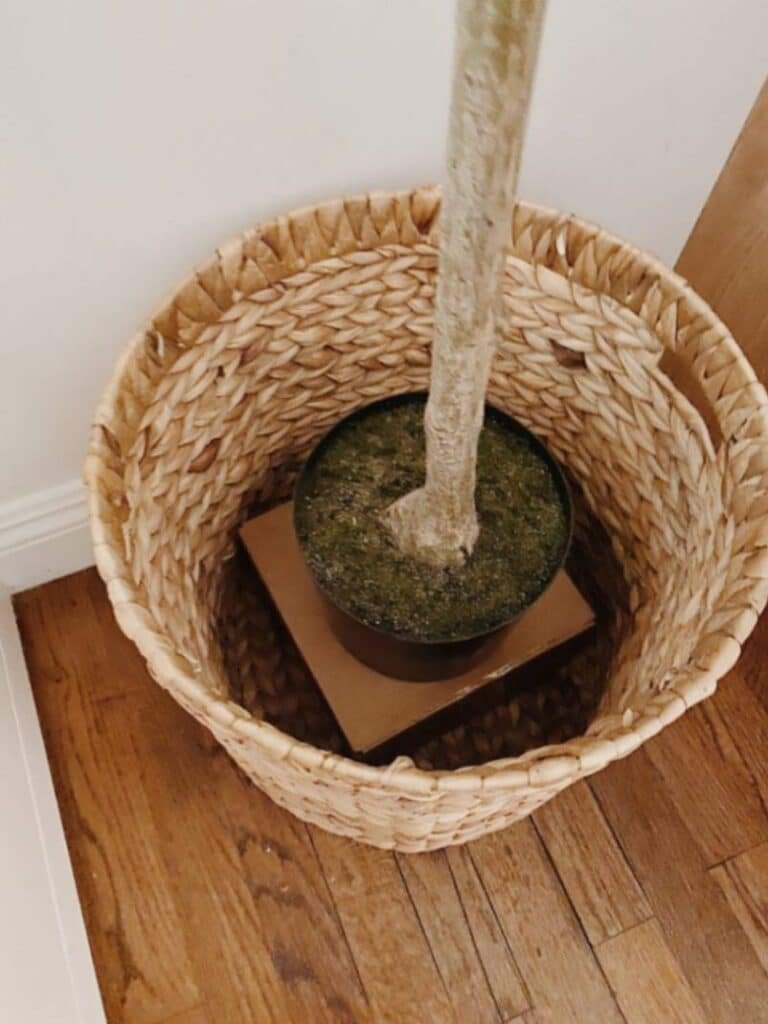
- The Nursery Pot: First things first, get rid of that flimsy plastic pot it came in. It’s only meant for shipping and it looks tiny and cheap. Move your plant into a real decorative planter. Then pack it with actual moss or stones. It will add weight and make it look like the plant is truly rooted there.
- Harsh Cleaners: Stay away from strong chemicals or glass cleaners. They can eat away the matte finish. This will leave your leaves looking like shiny plastic again. Stick to plain water or a cleaner that is made specifically for faux plants.
- Zero Movement: Real plants are always shifting toward the sunlight. If your plant stays in the exact same position for years, people will unfortunately start to notice that it’s fake. Every few months, bend the stems and tweak the branches. This will keep the shape looking fresh and active.
- Ignoring the Dust: Nothing ruins the illusion faster than a thick layer of dust. Real plants grow, so they don’t usually sit dusty for years. By just wiping it down once a month will help keep the colors bright and convincing.
(Image Source: Pinterest)
Frequently Asked Questions About Realistic Artificial Plant Manufacturing
Will These Plants Look Real Even if Someone is Standing Right Next to Them?
Yes, absolutely! We use 3D textures and hand-painted details. These features help our plants pass the “close-up” test. Most people cannot tell they are fake without touching them. We also include natural imperfections like brown edges or small spots. This mimics how a real plant survives in nature. It also tricks the eye into believing it is alive.
Can I Put These Artificial Plants in Direct Sunlight?
You should only do this with UV-rated products. Our professional artificial trees and plants feature built-in UV inhibitors. These chemicals stop the sun from breaking down the polymers. Without this protection, the sun will turn your green leaves blue or yellow in just a few months. Our UV protection is mixed into the material so it won’t wash off.
Do They Have a Weird ‘Plastic’ Smell When They Arrive?
We use high-grade materials. So, you don’t have to worry about getting stuck with that heavy, lingering chemical smell. While cheap plants can make a whole room stink for weeks, any light scent from ours usually fades away just a few hours after you open the box. We make sure the ingredients are clean so your living room doesn’t end up smelling like a factory floor.
How Do I Keep the Leaves Looking Fresh and Dusty-free?
Don’t worry, it’s not rocket science at all. You can use a microfiber cloth or even a feather duster once a month. If you’re looking to do some deep cleaning, use a damp cloth with some plain water.
Our polymer surfaces are non-porous. Dust slides right off compared to old silk plants. You do not need those expensive sprays. Just a quick wipe down will restore the natural luster of the leaves. And it will keep the colors looking sharp.
Are These Materials Safe for Homes with Pets or Kids?
Definitely. Many real plants are actually toxic to dogs and cats if they were to take a bite. We use lead-free and non-toxic materials to keep your home safe. Our artificial plants give you a natural look without any of the danger. They are just a better choice for families with curious kids or pets who like to taste everything they find.
Investing in a Realistic Artificial Plants Manufacturer for Your Home
3D scanning and Real Touch tech help us achieve max realism when it comes to artificial plants. We use matte finishes to stop that fake plastic glare from ruining the look. As a realistic artificial plants manufacturer, we add UV protection so our greenery lasts longer in sunny rooms.
Hand-shaping gives every stem a natural posture that machines cannot copy. We started HRtrees to help you enjoy a lush home without needing a green thumb.
Check out our collections to find a hyper-realistic plant for your office. We promise these are the only roommates that will never desert you!


