
Ever wonder what are artificial plants made of? Well, luckily technology has come a long way since the days of those shiny plastic eyesores of artificial plants.
In today’s guide, we break down the high-tech fabrics and polymers that make modern artificial plants look real. Let’s get right into it.
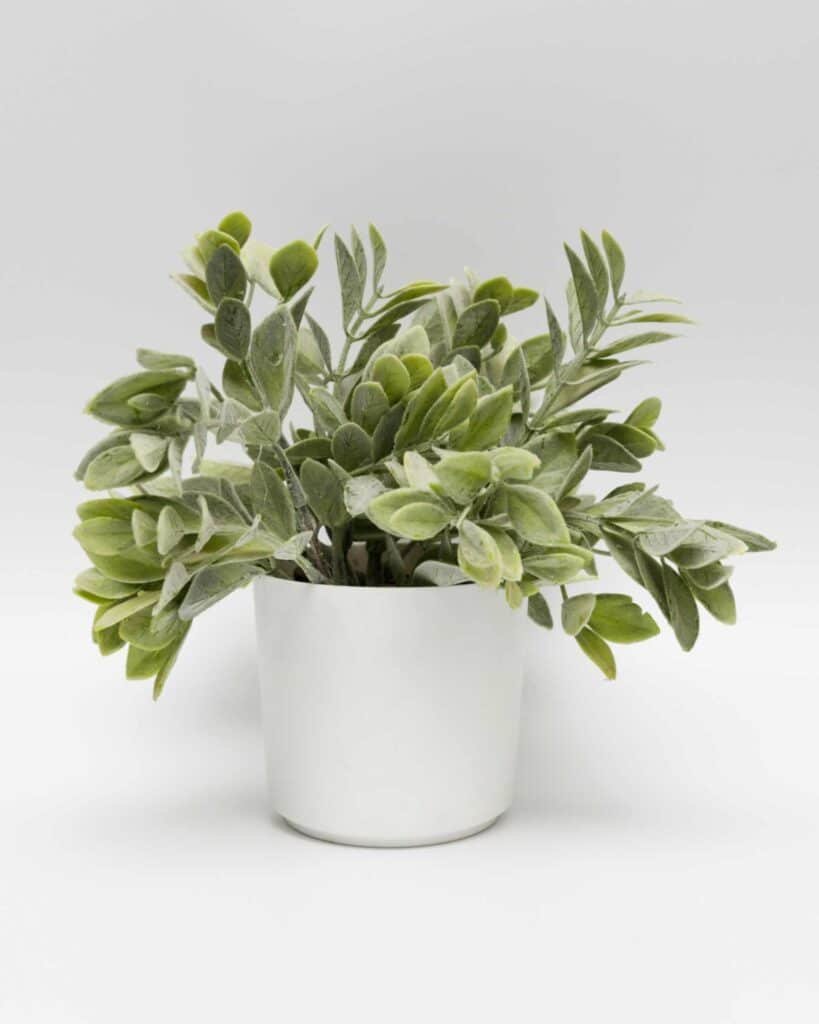
(Image Source: Photo by Angie Dutton On Unsplash)
What Are Artificial Plants Made Of Today?
Artificial Plants Manufacturers now use advanced polymers and high-grade fabrics to make the plants. These materials help create tiny details like veins on a leaf. They also make the stems look like real bark.
The industry relies on a mixed-media approach. Brands blend different plastics and fabrics to get the right look. This makes the plants tough enough for busy homes or offices.
Exploring the Leaves: Silk, Plastic, and Real-Touch Fabrics
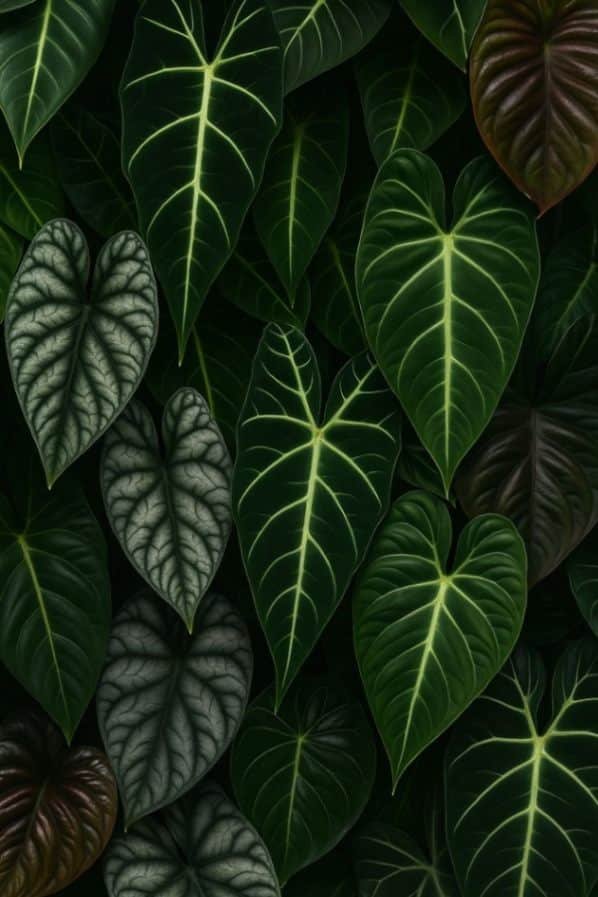
(Image Source: Pinterest)
The leaves usually tell you the quality of the plant. Most stems feature one of three main materials. Let’s have a closer look.
Why “Silk” Plants are Actually High-Grade Polyester
The “silk” label is mostly just for show. Real silk is too delicate and costs a fortune. Pros use polyester because it takes dye perfectly and handles moisture well.
Polyethylene (PE): The Secret to Realistic 3D Leaves
Polyethylene allows makers to use 3D molds of real branches. This plastic creates thick, fleshy leaves for succulents and your artificial trees, like the olive tree. It captures the tiny details like small buds and wood grain.
Polyurethane (PU): How “Real-Touch” Plants Feel So Natural
Polyurethane is the star of “Real-Touch” technology. This material feels slightly cool and fleshy like a living leaf. It gives the foliage a natural bounce when you touch it.
The Anatomy of a Faux Plant: What’s Inside the Stems and Trunks?
Artificial plants need a strong skeleton to stay upright. This internal structure uses a mix of metal and natural wood.
Flexible Stems: Metal Wire and Plastic Coating
Most stems hide a steel or copper wire inside. A plastic or rubber coating covers the metal core. This lets you bend and fluff the branches into a natural shape.
Realistic Trunks: Natural Wood vs. Molded Resin
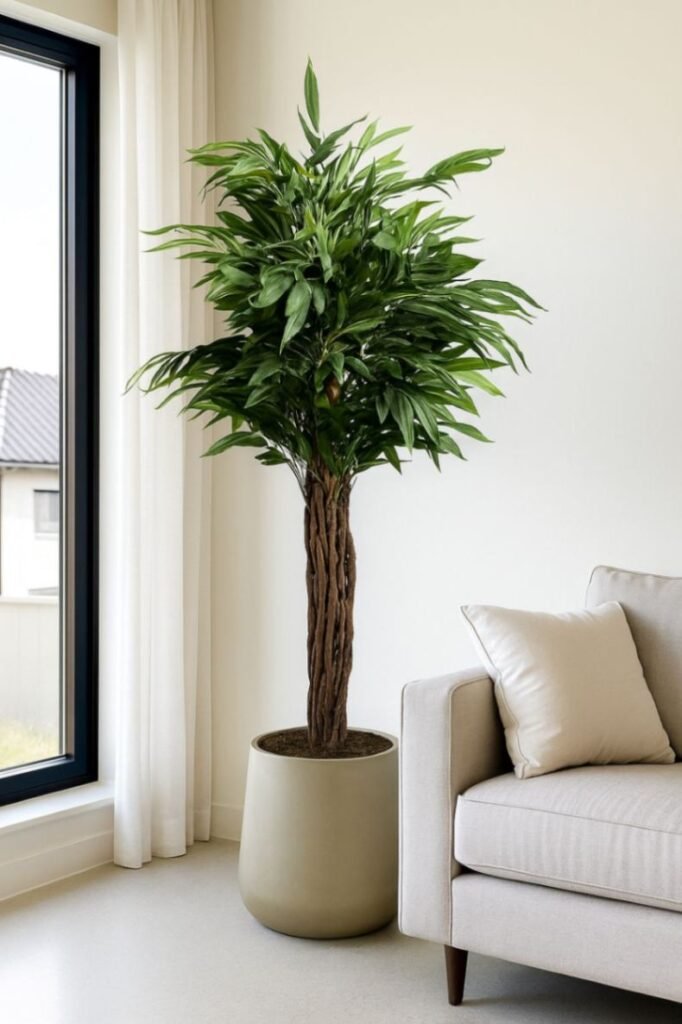
(Image Source: Pinterest)
The best faux trees use real wood trunks like bamboo or dragonwood. This makes a large artificial olive tree look heavy and authentic instead of flimsy. Makers also use molded resin to copy the bumpy texture of natural bark.
Indoor vs. Outdoor: Which Materials Last the Longest?
You have to change what are artificial plants made of based on where you put them. Indoor plants focus on soft textures and style. Outdoor plants need chemical protection to survive the sun and rain.
Why You Need UV-Rated Plastic for Outdoor Spaces
Standard plastic will break down under the sun. This is why outdoor plants must have UV inhibitors mixed right into their plastic during production. It keeps the leaves from turning that blue or purple color or getting brittle.
Durability Comparison: How Different Materials Age
Polyester can fray or fade if you leave it in a sunny window. Polyethylene and resin on the other hand, stay strong for over ten years. You just need to do some quick dusting every now and again to keep them looking fresh.
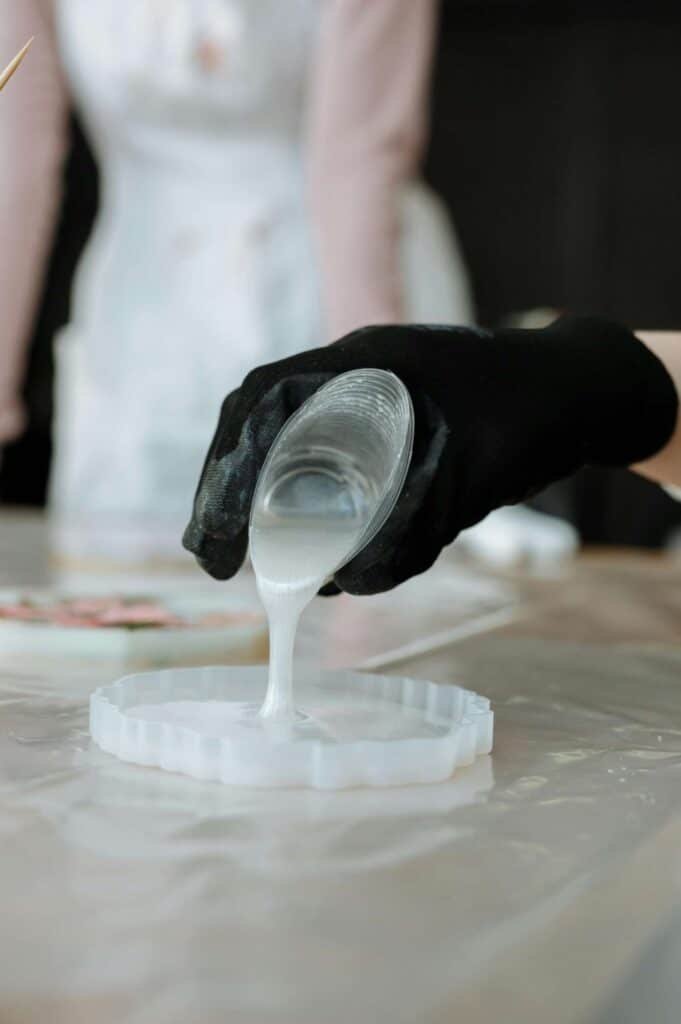
(Image Source: Photo by Thirdman)
Safety and Quality: What You Should Know Before Buying
The stuff you bring into your home actually changes the air you breathe. That’s why reputable brands stick to non-toxic plastics and safe dyes. It just keeps things cleaner.
Identifying “Off-Gassing” and Chemical Odors
Cheap artificial plants often smell like a tire factory. This “off-gassing” comes from low-grade glues and recycled plastics. The premium brands use virgin plastics that do not have such a chemical scent.
Quality Red Flags: How Material Choice Impacts Realism
Realism is all in the details, specifically the finish. A major red flag is that “plastic-y” glare you see on cheap PVC. It often looks way too shiny or see-through under room lights. The high-quality alternatives use matte textures to mimic how light hits a real plant.
You should also watch for thick, visible seams running down the stems. The higher-end pieces are crafted to hide these joins. This allows the foliage to transition into the stalk just like a live plant would.
Why High-Quality Brands Use “Mixed Materials” for Realism
Real plants are not only messy but they are full of different textures. The real tree in your yard has a rough, crusty bark and soft, waxy leaves. The cheap fakes use the same plastic for everything. And this is why they look like toys.
The high-quality brands mix it up. They might put high-end “Real-Touch” leaves on a trunk made of actual wood. We use this trick in our best artificial olive tree designs to make them look authentic from across the room.
Your brain sees the real wood grain and assumes the leaves are real too. It is the easiest way to make sure your decor stays looking fresh and expensive.

(Image Source: Pinterest)
Why the Answer to “What Are Artificial Plants Made Of” Matters
Knowing “what are artificial plants made of” helps you pick the perfect decor. You can choose soft polyester for your bedroom or tough PE for your porch. These materials give you a beautiful home without the stress of watering.
Ready to find greenery that never dies? You can see the latest projects for some inspo. HRtrees combine top-tier materials with expert design to bring nature into your home.
You deserve a home that looks fresh every day. Stop worrying about your brown thumb and start enjoying a “forever” forest. Let’s be-leaf in better decor together!


