A quality artificial plant will normally last you between 2 to 5 years when left outside and indoor ones may last easily 10 years or more. The real life of your fake plants is largely determined by the quality of the material used and the amount of direct sunlight that it receives in a day.
This guide will discuss what actually influences their lifespan and what you can do to increase their lifespan.
What Is the Average Lifespan of Artificial Plants?
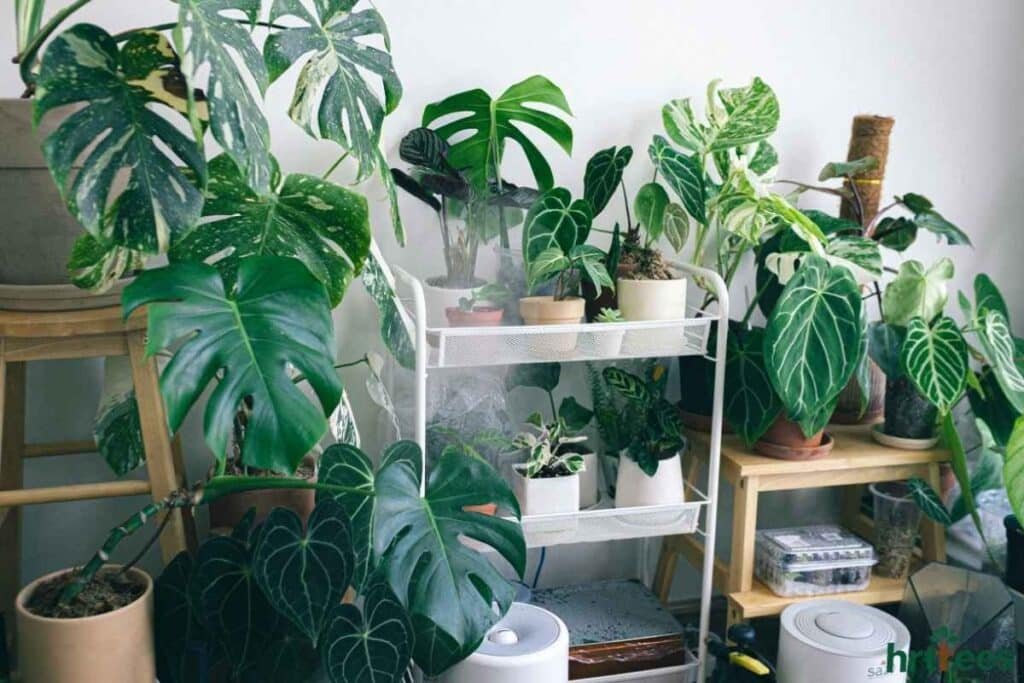
The expected life of an artificial plant actually depends on the quality of the plastic or silk that you are purchasing. Even a mid-range plant can be in your corner at least ten years without losing its appeal, should you treat them like a long-term decor investment as opposed to a use-and-throw object. The high-quality artificial plants are designed to cope with dust and light.
| Type of Artificial Plant | Typical Lifespan | Best Use Case | What Affects It Most |
| Budget Artificial Plants | 2–5 years | Bedrooms, low-light corners | Dust buildup, fading |
| Mid-Range Artificial Plants | 5–8 years | Living rooms, offices | Sun exposure |
| Premium / Commercial-Grade Artificial Plants | 8–15+ years | Lobbies, patios, retail spaces | Extreme weather |
How Long Do Artificial Plants Last Indoors vs Outdoors?
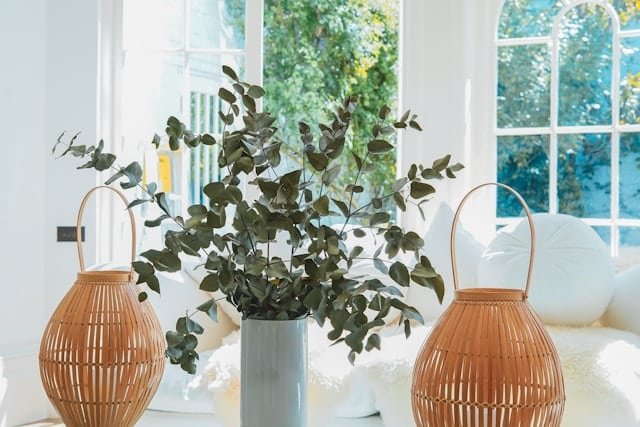
The indoor plants are much more durable since they are not subjected to the glare of the sun which is the biggest killer of artificial foliage because of the UV rays. The plastic polymers are subject to a continuous exposure to the sun and thus, break down chemically, resulting in fading and brittle where the leaves simply snap off when touched.
In combating this, high end outdoor plants are UV Resistant. There are two types:
- Inherent UV protection: UV stabilizers are mixed into the plastic during manufacturing. This is more durable.
- Topical UV spray: This is a surface coating. It assists, but fades away through time and requires renewal.
It is also worth noting that when you are planting plants on a sunny balcony or terrace, make sure it has inbuilt UV protection. Otherwise, it may start to lose its momentum within two seasons.
Even the temperature counts; in a place with a hot climate or where the winters are too severe the glue (the paste that holds the leaves on the stems) will not be able to withstand it and your plant will soon begin to look bald.
Source: Unsplash
In terms of durability, the following is the general ranking of the materials:
- Real-Touch Polyethylene (PE): These are the most resilient and appear to be very natural. They are the best in weather and cleaning.
- Polyester / Treated Fabric: They are good indoors, but may absorb moisture and dust when stored in a damp balcony.
- Silk: This used high-end indoor flowers. They are highly sensitive and will be ruined almost immediately when exposed to the rain or sun.
What Are the Signs an Artificial Plant Is Aging?
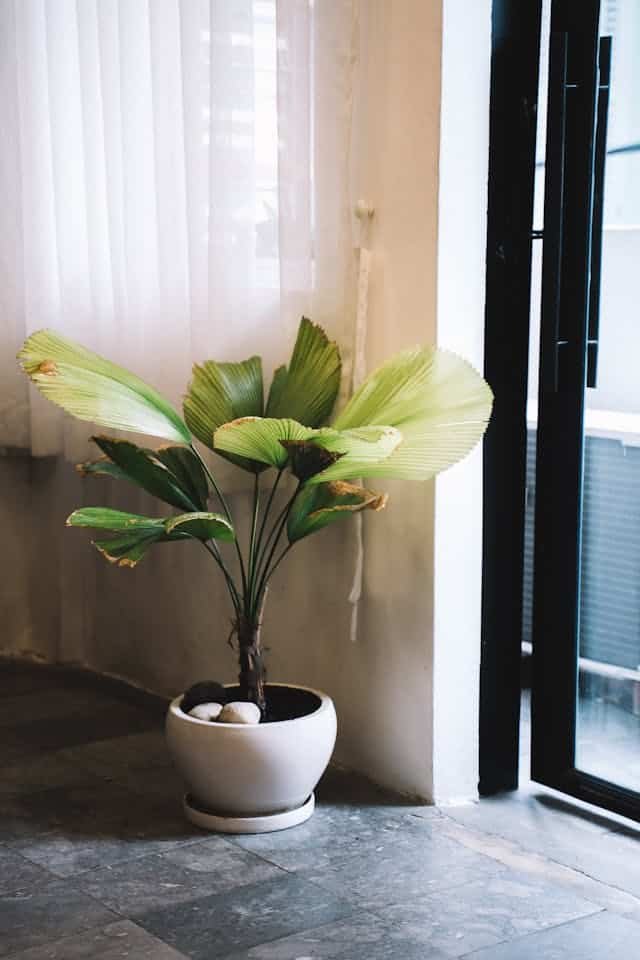
When your artificial plant will start to appear sad or tired, no matter how much you dust it, you will know that it is almost time to leave this world. The most common symptom is discoloration, which turns the bright green color to a peculiar bluish or yellowish color as a result of exposure to light.
Be aware of the following common symptoms:
- Fading: One side is a lot lighter than the other side.
- Dust Magnetism: The plastics are sticky and accumulate dirt that cannot be wiped off as they age.
- Brittle Leaves: The plastic is no longer pliable when you are cleaning or moving the plant and bits of it fall off.
- Drooping Stems: The internal wires are either rusted or weak and the branches are permanently in the drooping condition.
Source: Pexels
How Can You Make Artificial Plants Last Longer?
The secret of making your fake plants last at least a decade is only by keeping them out of the direct sunlight and regular cleaning. With a little care every now and then, you can easily extend the anticipated life of the manufacturer by a hundred percent.
The following are some of the easy tips to use to maintain your greenery:
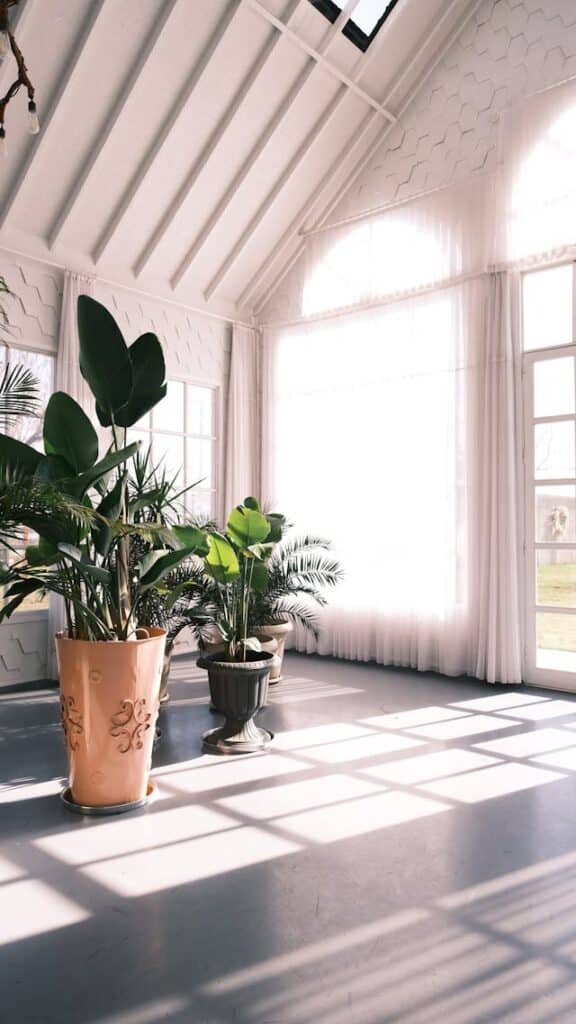
- Smart Placement: Do not place your indoor plants near the windows that receive harsh afternoon sun. Fading can occur in a short period of 3-4 years even indoors with UV. Also, do not leave them near AC vents or heaters because the dry air always makes the plastic parts crack.
- Regular Dusting: Dust literally rusts the material. Wipe down with a microfiber cloth or a feather duster at least once a week. A moist cloth with very gentle soap will work miracles to cleanse them, but never leave them in water.
- Seasonal Rotation: When you have, let’s say an artificial banana tree, in a sunny area, rotate the pot 180 degrees every month so that one side does not turn gray more than the other.
- Proper Storage: In the case of seasonal decorations like faux Christmas trees or fall garlands, keep them in a cold and dry place in a closed bag. Do not pack them between the heavy boxes and the stems will always lose their natural shape.
Source: Pexels
Are Artificial Plants a Good Long-Term Investment?
Yes, artificial plants are a great long-run investment since they cost much less per year than real plants when you add all the hidden costs of maintenance. While the upfront price for a premium faux plant might seem high, you have to look at the 5-to-10-year horizon.
Live plants have recurring expenses; you are paying special soil, costly fertilizers, pest control sprays and of course the water bill. Besides, real plants usually die because of changes in seasons or root rot, which means that you will replace them after 1 or 2 years anyway.
| Expense Category | Real Plant (5 Years) | Premium Artificial (5 Years) |
| Initial Purchase | $30–$60 | $100–$250 |
| Maintenance (Water/Food) | $150+ | $0 |
| Replacement Frequency | 2–3 times (usually) | 0 times |
| Total Estimated Cost | $250–$400 | $100–$250 |
Even if you decide to replace your artificial plant after 7 or 8 years just to “update your style,” you have still saved hundreds of dollars and thousands of hours of manual labor. It is a one-time “buy-it-and-enjoy-it” asset for your home or office.
Final Verdict: How Long Do Artificial Plants Last — And Is It Worth It?
Artificial plants have a life span of 5 to 15 years, and it is a smart and cost effective investment in any contemporary space. They provide the beauty of nature with no worry of maintenance or the frequent expense of replacement.
If you are looking for high-quality, durable greenery that stands the test of time, check out the premium collection at HRTrees today.