Most people buy artificial plants to save themselves some time. It provides you with the beauty of nature without the stress of having a watering schedule. When you know how to choose realistic artificial plants, it can help you fool even seasoned gardeners.
All you have to do is know what to look for beyond the price tag. Don’t worry you will learn it all in today’s guide.
What is the Best Way to Choose a Realistic Artificial Plant?
(Image Source: Pinterest)
When you are choosing artificial plants, choose the ones that mimic nature’s messy habits. You can look at the following 5 things before you buy your artificial plant:
- Color Gradients: Look for light green tips and darker bases.
- Imperfections: When the fake plant has tiny brown spots or “sun damage” it makes it look real.
- Growth Stages: Find the plants that have both small buds and large leaves.
- Matte Texture: Avoid any leaf that reflects light like a mirror.
- Wire Stems: You need to be able to shape the branches yourself.
Understanding Realism: What Does “Lifelike” Actually Mean?
Realism depends on how light hits the leaf surface. A real leaf lets some light pass through it. This creates a soft look. Cheap plastic blocks all light. This makes the plant look flat and fake.
Modern “real-touch” technology uses a special polymer coating. This makes the plant feel slightly waxy or cool to the touch. It is much better than the old scratchy fabric plants from years ago. If you want to see how this technology is used in our designs, you can learn more about our quality standards.
If a plant feels slightly cool and supple to the touch, it is much more likely to pass for the real thing in your living room.
Why Leaf Shape Variation and Irregularity Are Important
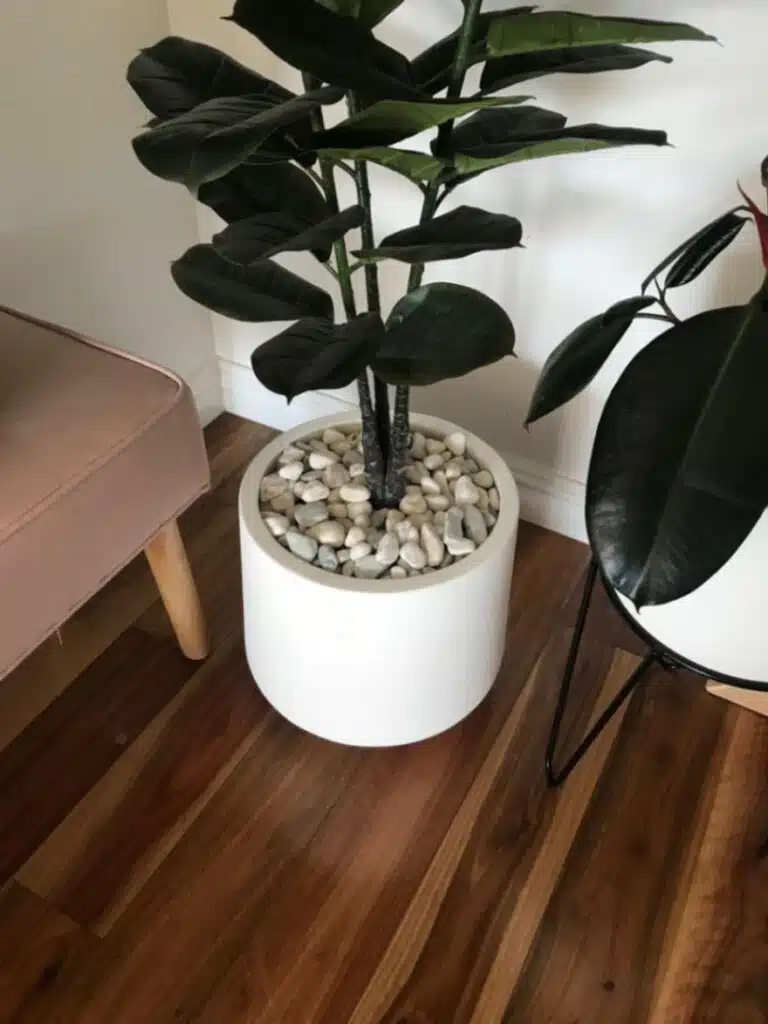
Nature is never perfect or symmetrical. Real plants grow unevenly based on where the sun hits them. Look for an artificial plant where no two leaves look exactly the same. You want to see some leaves that are still unfurling.
(Image Source: Pinterest )
Identifying Natural Color Gradients and Imperfections
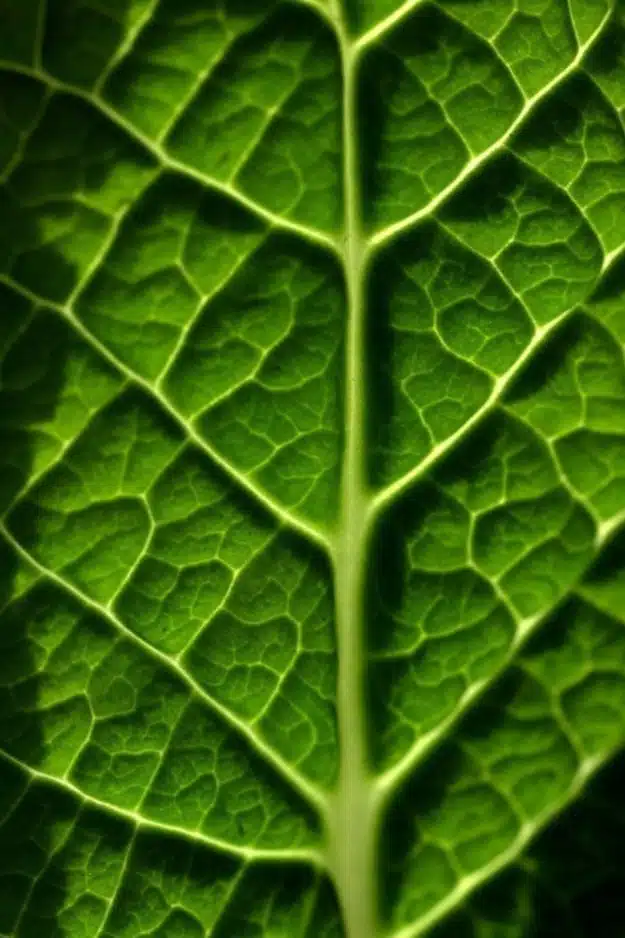
Real leaves have complex veins and color shifts. Good artificial plant manufacturers hand-paint these tiny details. They might even add a little browning on the edges. This mimics the life cycle of a real living thing. But you need to avoid the plants that are only one solid shade of green.
Construction Secrets: Stems, Trunks, and Density
The skeleton of the plant matters as much as the leaves. Stiff stems are a dead giveaway that it is a fake plant. You want a plant that can droop slightly just like a real one would. Gravity should look like it is actually pulling on the branches.
Stem Structure and Flexibility
Look for wire-core stems in every branch. These allow you to “style” the plant once you get it home. You can bend them toward a window. This will make the artificial plant look like it is reaching for the sun. It creates a much more organic silhouette.
Density and Proportion
Don’t buy an artificial plant that is too crowded with leaves. Real plants have gaps between the branches. You should be able to see the trunk and the internal structure. This “negative space” makes the plant look light and airy instead of like a plastic bush.
Realistic Trunks
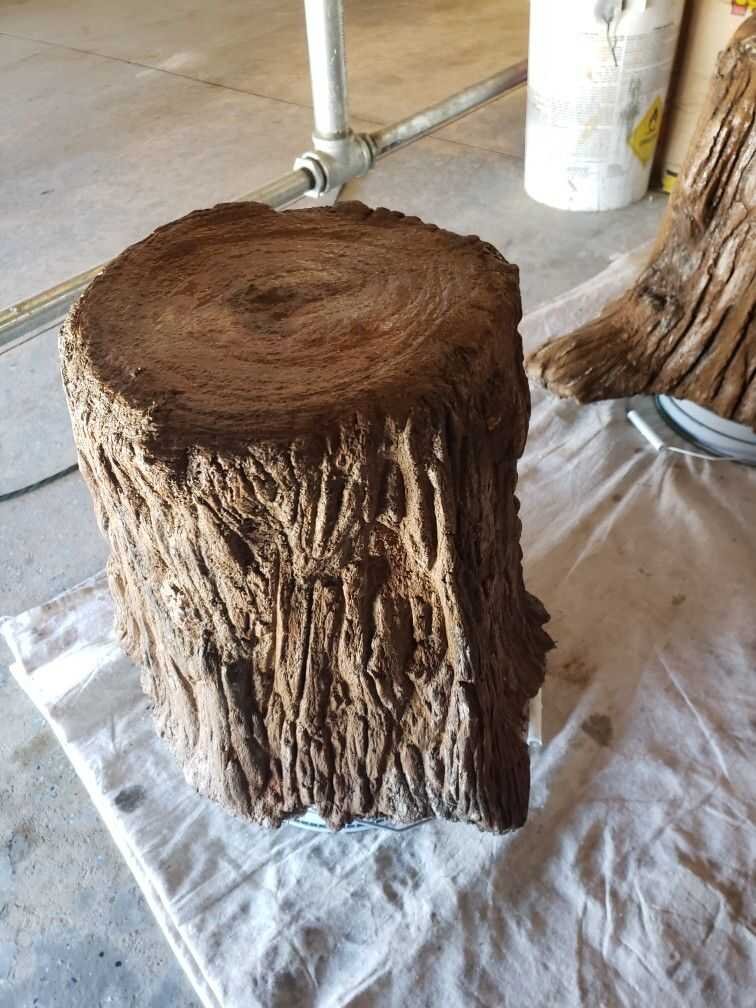
Avoid trunks that look like smooth brown pipes. The best artificial trees use real wood for the main trunk. If the trunk is made of resin, it should have a rough texture. It needs to look like actual bark with cracks and bumps.
(Image Source: Pinterest)
Artificial Plant Material Comparison: Which is Best for You?
There’s different materials that will work better for different areas in your house. You can use this table below to learn how to choose realistic artificial plants materials that’s right for your specific needs.
| Material | Best For | Benefits |
| Silk / Polyester | Fine Detail | Detailed veins and very lightweight. |
| Latex / Real-Touch | Touching | It feels wet or waxy like a real leaf. |
| PE (Polyethylene) | Durability | It stands up to the sun. It also won’t fray. |
Which Option is Best for High-Traffic Areas?
Polyethylene (PE) or Real-Touch materials work best for your hallways. These materials can handle being bumped or touched by guests. They are very sturdy. They also do not fray at the edges like silk does over time.
Which Option is Best for Low-Light Indoor Corners?
Silk plants look great in dark corners. They have very detailed patterns printed on the fabric. Since nobody will touch them there, they stay looking fresh. They add a soft texture to a room without looking like heavy plastic.
Red Flags: Common Signs of Low-Quality Artificial Plants
Some fake plants just look tacky when they are of low-quality. You should keep an eye out out for the following warning signs when you are doing your fake plant shopping:
- Plastic Shine: If the plant reflects light like a shiny toy, it looks fake.
- Visible Glue: Look for big globs of yellow glue where the leaf hits the stem.
- Neon Green: Real plants are rarely a single bright “highlighter” green.
- Repeat Patterns: Every leaf being the exact same size is a bad sign.
Which Plant Types Look Most Realistic Artificially?
Some plants are easier to fake than others. Choose the following plant types if you want to fool your guests every time.
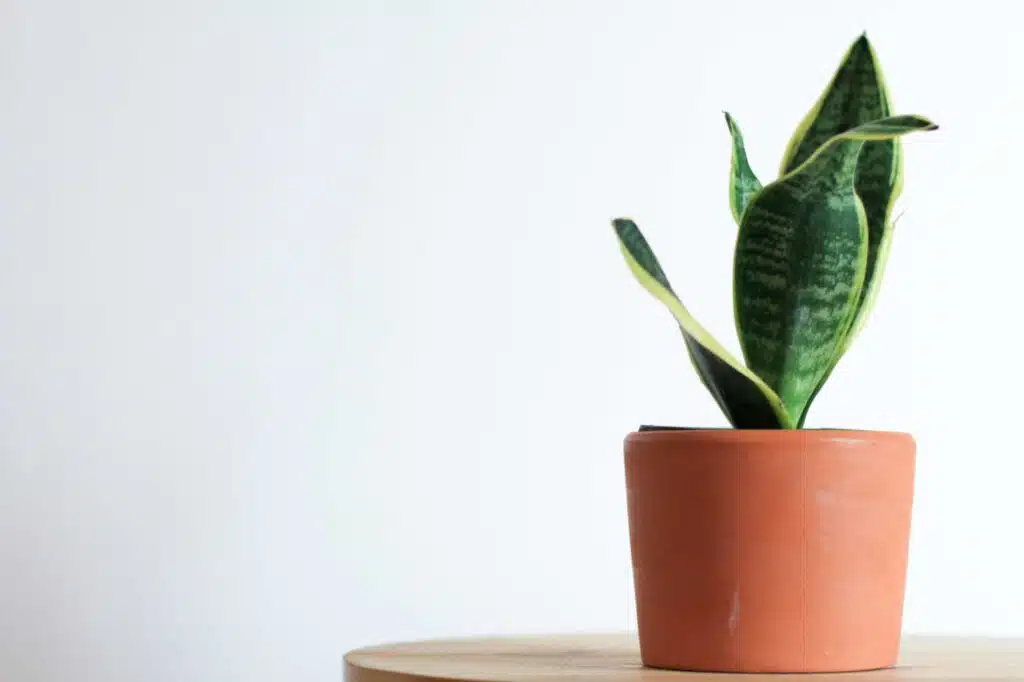
- Snake Plants: These already look stiff and waxy in real life. The fake ones look almost identical to the real ones.
(Image Source: Photo by Kara Eads on Unsplash)
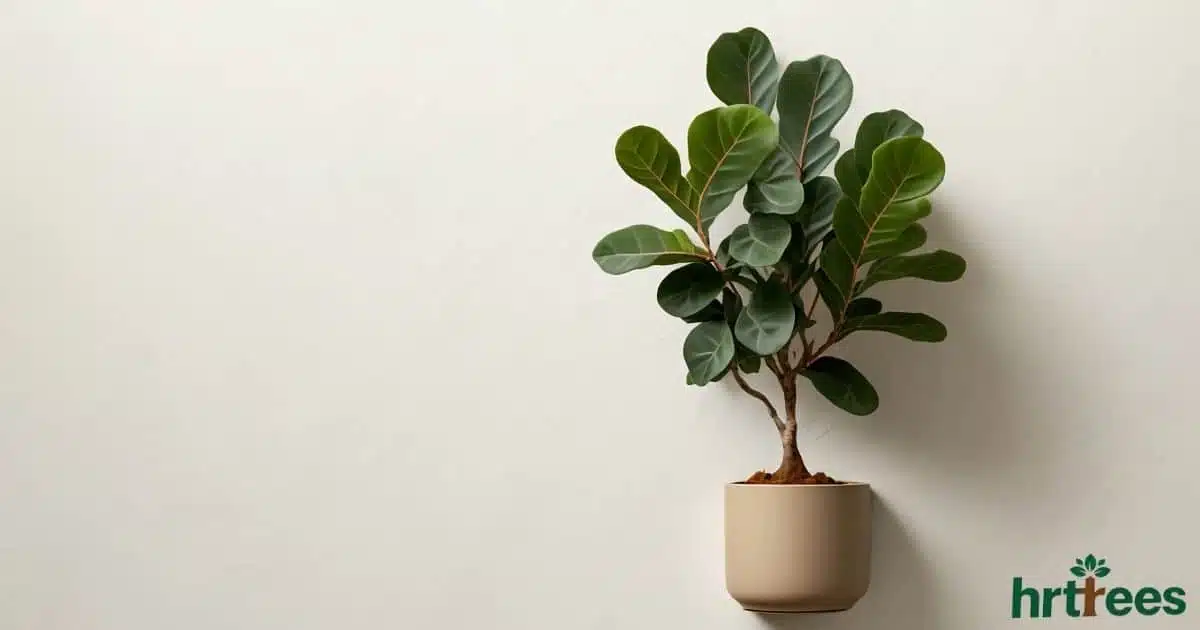
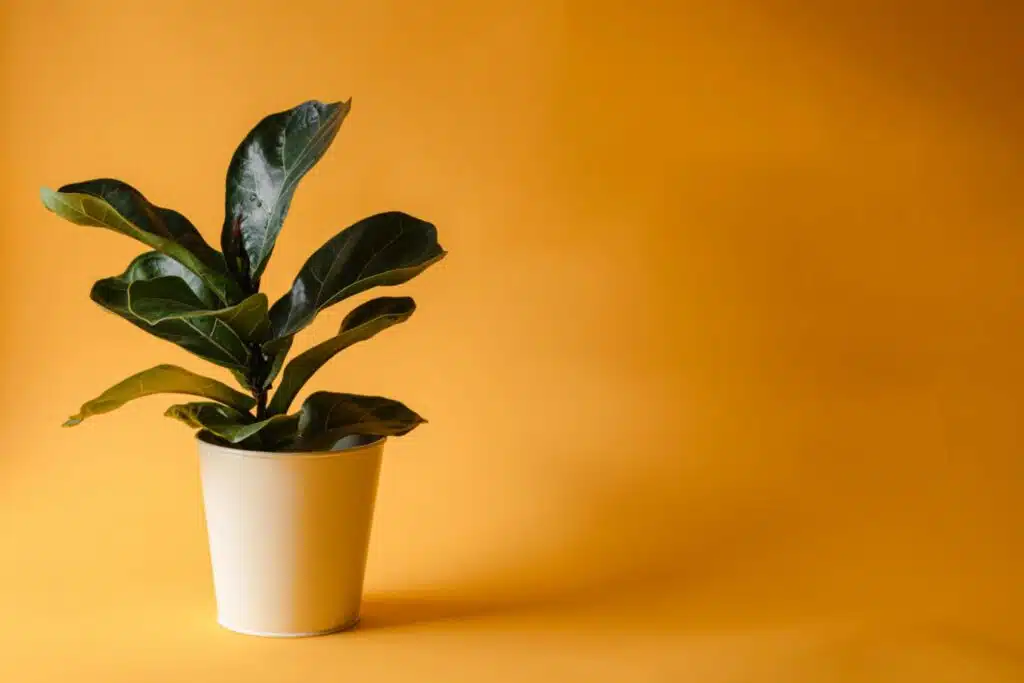
- Fiddle Leaf Figs: Because they have large leathery leaves, it hides the fact that they are fake. They have a naturally bold structure.
(Image Source: Photo by Kara Eads On Unsplash)
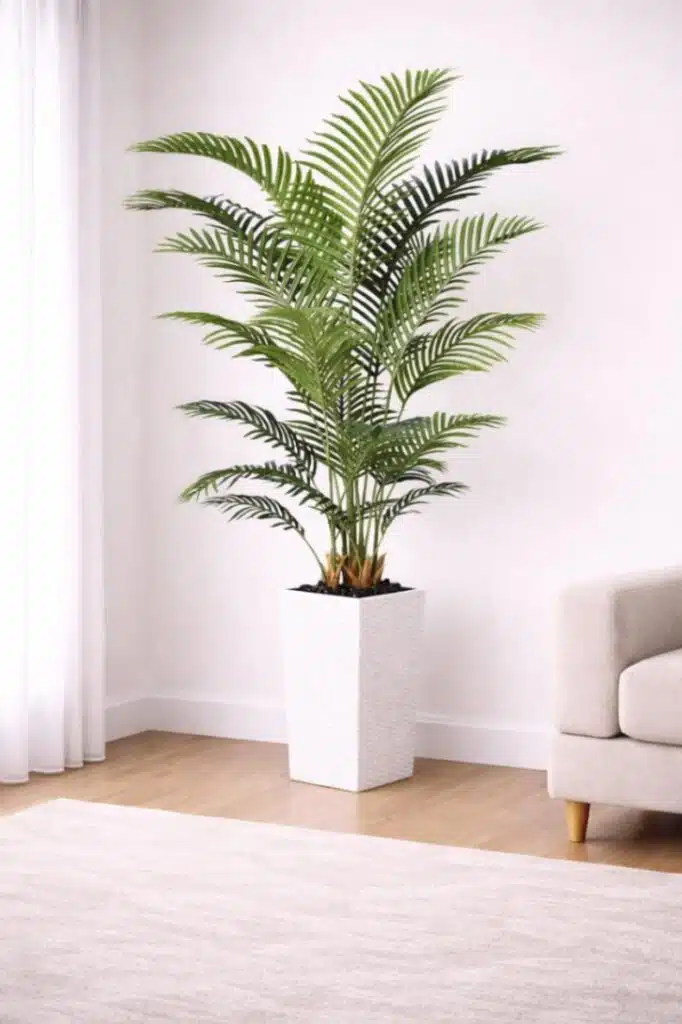
- Olive Trees: The dusty muted colors are very easy to copy. The underside of the leaf is usually a different shade. This is what adds realism. Artificial palm trees are also a great choice. It is because their natural arch and textured trunks are easy to copy.
(Image Source: Pinterest)
- Avoid Delicate Ferns: These usually look like cheap plastic “clumps” when they are made poorly. The thick-leaved tropicals are always a safer bet.
5 Tips to Make Your Artificial Plants Look Even More Realistic
If you want your artificial plants to look even more realistic, here’s what you can do:
- Follow the Light: Make sure to place your fake plant near a window. Then bend the stems slightly toward the glass. Even though it doesn’t need photosynthesis, when it is”leaning” toward the light it will mimic its biological behavior.
- The “Real Dirt” Trick: Top the pot with real dried moss, river rocks, or even a layer of actual soil. This will trick the brain into assuming the entire unit is organic. If you’re looking for more ways that you can arrange them, we have a full guide on how to decorate with fake plants to help you get the look just right
- The Heavy Planter: Cheap plants come in tiny “nursery pots.” Repot your faux plant into a premium ceramic or stone planter to add weight and “prestige” to the look.
- Biological Logic: Don’t put a “sun-loving” faux cactus in a windowless bathroom. Place “shade” plants in corners and “sun” plants near glass to maintain the illusion.
- Clean for Realism: Dust is the #1 sign that a plant is fake. Make sure to wipe the leaves monthly with a damp cloth to maintain that “living” sheen.
Frequently Asked Questions About Artificial Plants
Can You Mix Real and Artificial Plants in the Same Room?
Oh, you sure can. It is a great design trick. The real plants make people think the fake ones are real too. It creates a lush look without all the extra work.
Why Do Some Artificial Plants Turn Blue or Purple?
It’s turning purple or blue because of the sun. Most fake plants aren’t meant for direct light. So they get bleached. Make sure that the label says ‘UV resistant’, if you’re putting them on a windowsill. It’s the only way for you to keep them green and looking fresh.
How Do I “Fluff” a Plant Out of the Box Without Breaking it?
You should start at the bottom branches and then work your way up. Pull the branches down and away from the center. You can then shape each leaf so it looks like it is reaching for light.
What is the Best Way to Secure a Tall Fake Tree So it Doesn’t Lean?
You can put the tree inside a large decorative pot. Next fill the extra space with heavy rocks or sand. This will stop the tree from leaning or tipping over if someone were to bump into it.
Is “Silk” Actually Made of Silk?
No. Most “silk” plants use polyester or nylon blends. The name is just a trade term. It means the material is soft and thin like fabric.
Picking the Best Realistic Artificial Plants for Your Home
Learning how to choose realistic artificial plants is all about finding those little natural flaws. Buy plants with deep colors and flexible stems. You get all the beauty of nature without the “oops, I forgot to water it” guilt.
If you want the most lifelike options, check out the collection at HRtrees. They have everything you need to build a perfect indoor jungle that never wilts.
Go ahead and pick one out today. We promise your new decor will “grow” on you!