
High-end artificial plants are manufactured using high-quality materials, are hand-crafted, and designed to replicate botanical characteristics. So, if you’re wondering why are fake plants so expensive? That’s your answer!
Most of this work is skipped in cheaper fake plants, hence they appear clearly fake and do not last long. In the sections below, we will discuss more of the factors that contribute to the cost so you can see where the money is going.
What Drives Up the Price of Fake Plants: The Cost Breakdown
The difference between a $10 supermarket table-top plant and a $200 realistic lifelike lemon tree is all about what is happening in the factory.
1- Premium Materials (Silk, PE, and “Real-Touch” Technology)
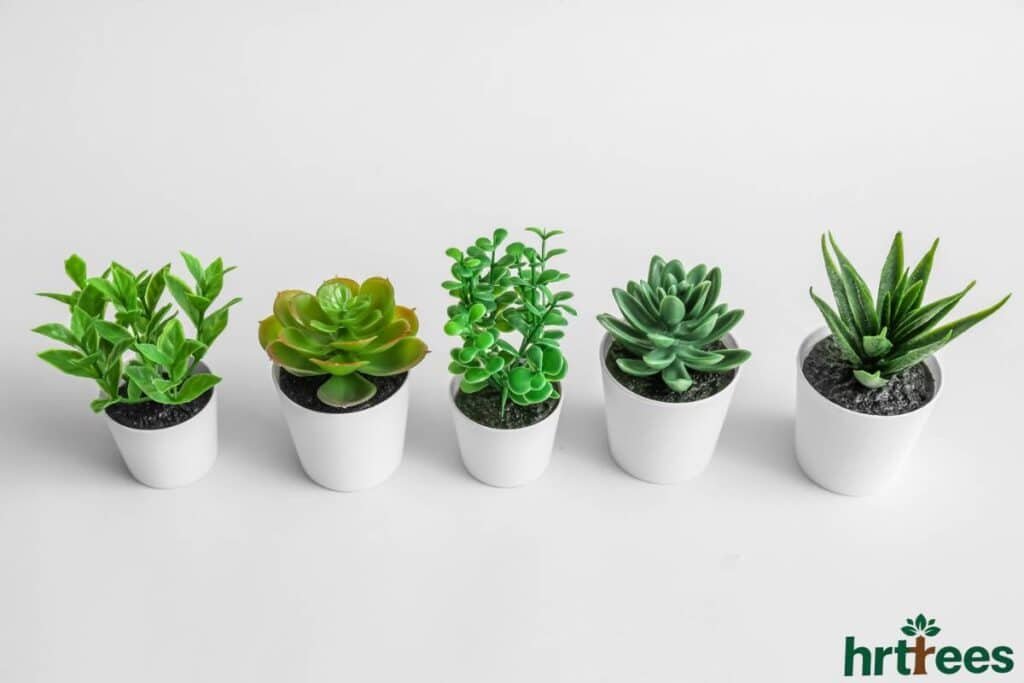
The main thing that makes a fake plant to appear fake is that glittering cheap plastic appearance we are all familiar with. Luxury brands no longer use the simple PVC but have shifted to much more sophisticated materials that are very realistic to touch.
- Polyethylene (PE): Instead of flat sheets of plastic, modern plants use PE that is poured into molds of real leaves. This gives the leaf a 3D structure and a meaty feel like a real succulent or a rubber plant.
- 3D-Printed Silk: For delicate plants, manufacturers work with high-grade silk or polyester which is 3D-printed with small textures. This prevents the leaves from looking like flat pieces of fabric.
- “Real-Touch” Coatings: Premium brands apply a specialized latex or silicone coating over the leaves. So it actually feels cool and damp, almost exactly like a live leaf, when you touch it.
| Material Type | Realism Level | Durability | Best For |
| Basic PVC | Low (Shiny/Plastic) | Medium | Budget decor, far corners |
| Silk/Polyester | High (Soft/Flowy) | Medium | Indoor flowers, delicate ferns |
| High-Grade PE | Very High (3D/Textured) | High | Large floor plants, outdoor use |
2- Labor-Intensive Craftsmanship & Hand-Painting
You may believe that these plants are simply a product of a machine, but when it comes to the good stuff, that is not the case. The majority of the high-end artificial trees are literally hand-made.
- To be able to make a tree look natural, workers stick each and every leaf to the branches manually. Had it been done by a machine, the leaves would be all too perfect and symmetrical, which is a sure sign that it is fake.
- Hand-painting of the leaves is also done by skilled artisans to create brown spots, color gradients and natural imperfections.
- They also wire-frame the inside of the stems so you can bend and shape the plant as you like.
This human touch is one of the major reasons why the labor cost is high.
3- Botanical Accuracy and R&D
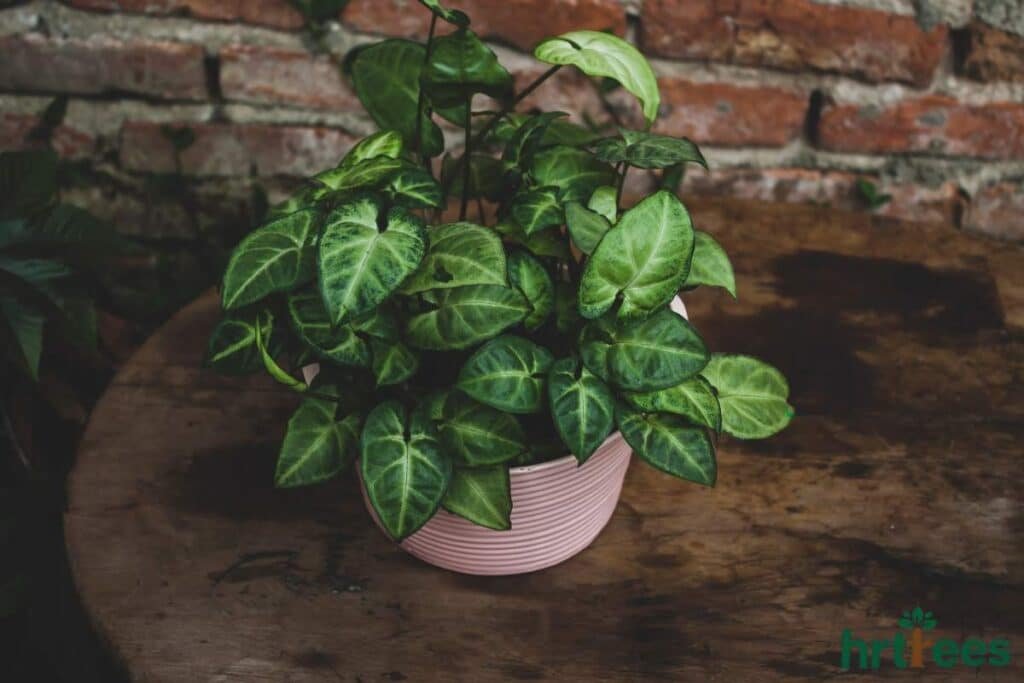
The luxury producers do not simply make a guess at what a Fiddle Leaf Fig looks like, but they employ botanical specialists to examine live specimens. They observe the veining of the back of a leaf, the way the color varies between the stem and the tip, and the way the branches will naturally hang down of their own weight. This is a hidden cost in terms of Research and Development (R&D).
It takes much trial and error to make a mold that reproduces the exact crinkly feel of a real leaf or the roughness of the bark of a preserved wood trunk.
At the end, you are buying the years of design labor devoted to ensuring that your artificial Olive tree does not merely appear as a green stick, but as a fragment of Mediterranean nature.
4- Durability & Commercial-Grade Features
When you are purchasing a plant to have on a sunny balcony or a busy office, you cannot afford to have it just look pretty. It has to survive. Cheap artificial plants will turn blue or brittle within a few months of being in the sun, whereas premium ones are constructed to last years.
- UV Protection: High-quality plants contain UV inhibitors embedded into the material (not sprayed on top) to prevent sun-bleaching.
- Fire Retardancy: In hotels and offices, plants are usually required to comply with stringent safety standards such as the NFPA 701 in the US. This necessitates the use of the Inherent Fire Retardant (IFR) chemicals impregnated into the fabric, so the plant does not easily catch fire.
- Weather Resistance: Fake plants that are designed to stand the outdoor conditions resist rain, wind and frost without the leaves dropping off or the stems rusting.
Cheap vs Expensive Fake Plants — Side-by-Side Comparison
Standing in a shop, you may find all green leaves are the same. But in reality, the distinction between a low-end and a high-end fake tree is enormous.
| Feature | Cheap / Budget Plants | Expensive / Premium Plants |
| Material | Mostly shiny PVC plastic | High-grade PE, 3D Silk, or Latex |
| Coloring | Single flat green color | Multi-tonal with natural gradients |
| Texture | Smooth and “plasticky” | Real-touch (veins and ridges) |
| Stems | Rigid or very flimsy plastic | Metal-wire cores (fully poseable) |
| Potting | Very light, easy to tip over | Heavy, weighted base with faux moss |
| Lifespan | Fades or cracks in 1-2 years | Lasts 10+ years (even with sunlight) |
Are Expensive Fake Plants Worth It?
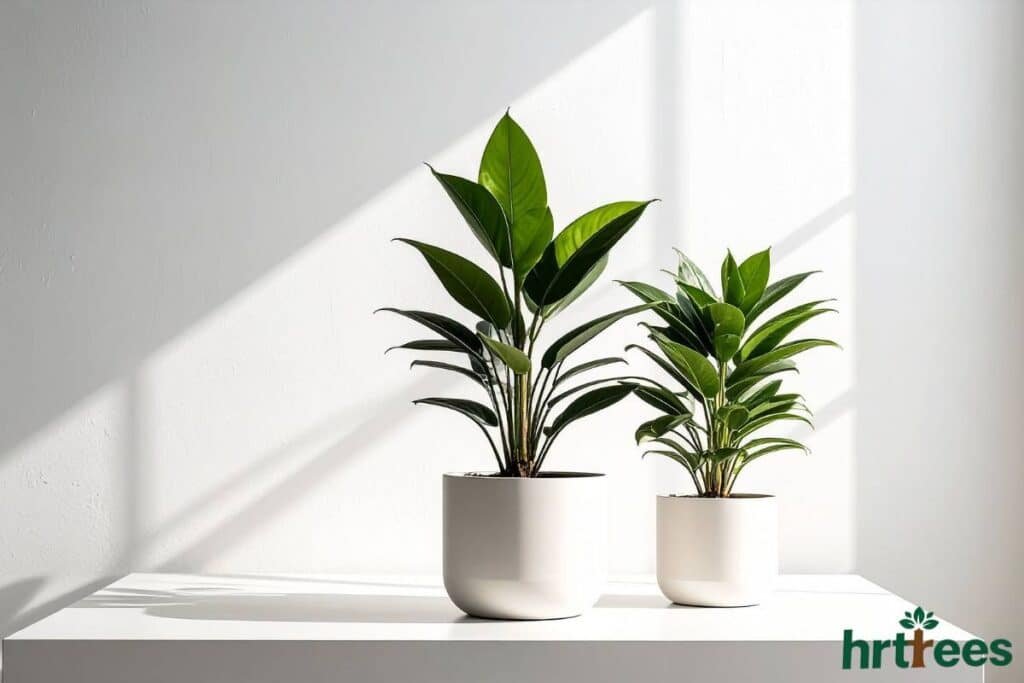
If you ask me, actually yes, they are very much worth it. Whenever you purchase a real plant, you must invest money on soil, appropriate pots and fertilizers after every few months. And in case you do not have a green thumb, the plant may die and you have spent money just in vain.
When you have a good fake plant, you pay once and enjoy several years with a beautiful plant. They live in dark corners, high shelves, or air-conditioned offices where real plants normally cannot survive. The cost per year of a premium artificial plant can be significantly less than that of replacing the real ones on a seasonal basis in the long run.
How Much Should You Expect to Spend on a Fake Plant?
For fake plants, you get what you pay for. Below is a little budgeting guide to help you in planning:
- Desktop & Shelf Decor ($15 – $50): You can get very decent small succulents or hanging ivy pieces in this range that look great on a bookshelf.
- Standard Home Floor Plants ($100 – $350): This is the sweet spot in case you want a 5-foot or 6-foot Fiddle Leaf Fig or an Olive tree in your living room. Expect good hand-painted leaves and a trunk that looks like real wood.
- Office & Commercial Spaces ($400 – $1,000+): Public spaces and offices require commercial-grade plants, with UV protection and often certified against fire, which obviously adds to the value.
- Custom Botanical Replicas ($1,000++): These are museum-grade trees, frequently commissioned to custom-fit luxury houses. You can hardly distinguish it from the actual one, even from just an inch away.
Conclusion: So, Why Are Fake Plants Expensive?
It is merely because we are leaving behind us the plastic decor and are heading toward the botanical art. You are paying more, but it is better materials, and many hours of hand-painting, and a plant that will not turn blue in the sun.
If you are looking for the best artificial trees that last several years, check out the collection at HRTrees. We specialize in premium artificial plants that bring the beauty of nature into your space—minus the watering can!


